
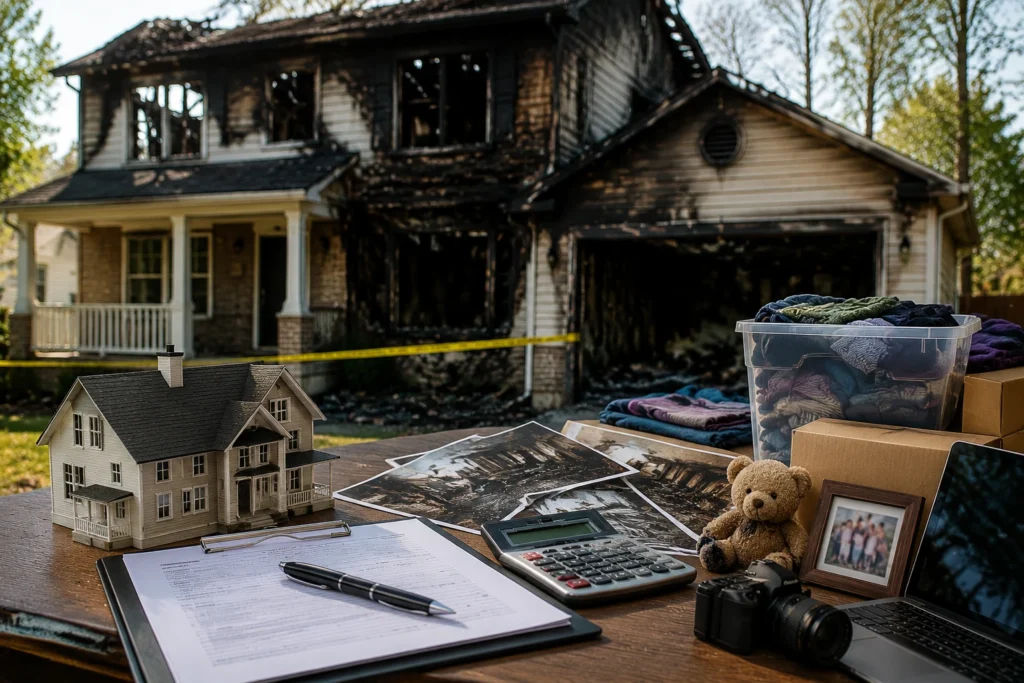
A house fire changes everything in a matter of minutes. One moment, a home is a place filled with memories, personal belongings, and daily routines. The next, homeowners are facing uncertainty, damage assessments, and difficult decisions. Understanding the House Fire Insurance Claim Process is one of the most important steps after a fire because the decisions made early can directly affect the outcome of a claim. From documenting losses to negotiating with an insurance company, every stage requires careful attention, accurate information, and a clear strategy.
Fire damage is rarely limited to what can be seen immediately. A burned structure may also involve smoke contamination, water damage from firefighting efforts, damaged electrical systems, destroyed belongings, and unexpected living expenses. While insurance coverage exists to help homeowners recover, the process can become complicated quickly without proper preparation. For homeowners searching for guidance after a major loss, working with experienced professionals such as Home and Business Public Adjusters can provide valuable support throughout the claim process. A public adjuster helps organize documentation, evaluate damages, and communicate with insurance representatives so homeowners can focus on protecting their family and planning their recovery.
Understanding the House Fire Insurance Claim Process
The House Fire Insurance Claim Process involves several important stages, and each one builds upon the previous step. A successful claim is not simply about reporting that a fire occurred. It is about proving the extent of the loss, understanding available coverage, and making sure every eligible damage category is properly included.
Many homeowners assume the insurance company will automatically identify every loss. However, fire claims often involve complex evaluations. The initial inspection may identify obvious structural damage, but hidden problems can appear later. For example, smoke particles can travel throughout a property and affect walls, ceilings, HVAC systems, furniture, clothing, and electronics. Water used to extinguish the fire may create additional restoration needs. These details matter because overlooked damages can reduce the final settlement.
A strong claim typically includes:
- Complete documentation of damaged areas
- Detailed personal property inventory
- Repair and replacement estimates
- Photos and videos of the loss
- Receipts and proof of ownership when available
- Records of temporary living expenses
- Professional assessments when needed
The more organized the information, the easier it becomes to demonstrate the true cost of recovery.
What Homeowners Insurance May Cover After a Fire
Every insurance policy is different, but many homeowners policies include several forms of protection after fire damage. Understanding these categories helps homeowners recognize what expenses may need to be included in their claim.
| Coverage Type | What It May Help Pay For |
| Dwelling Coverage | Repairs or rebuilding of the damaged home structure |
| Other Structures Coverage | Damage to garages, sheds, fences, and detached structures |
| Personal Property Coverage | Replacement of furniture, electronics, clothing, and belongings |
| Additional Living Expenses | Temporary housing, meals, and necessary costs while displaced |
| Debris Removal | Cleanup and removal of damaged materials |
The details inside the policy are extremely important. Limits, deductibles, exclusions, and valuation methods can all influence how much compensation is available. For example, two homeowners may experience similar fires but receive different settlements because their policies provide different levels of protection. One policy may include replacement cost coverage, while another may calculate payment based on actual cash value after depreciation. That difference can significantly impact the amount available for rebuilding.
Step 1: Protect Your Family and Prevent Additional Damage
Immediately after a fire, safety comes first. A damaged home can contain unstable structures, exposed wiring, smoke hazards, and other risks that are not always visible. Before entering the property, homeowners should receive clearance from the appropriate authorities. Fire-damaged areas can shift unexpectedly, and safety decisions should never be rushed. Once the property is considered safe, homeowners should take reasonable steps to prevent further damage.
These actions may include:
- Covering openings caused by fire damage
- Protecting the property from weather exposure
- Securing doors and windows
- Removing items only when safe
- Keeping receipts for emergency repairs
Insurance policies often require homeowners to take reasonable measures to reduce additional damage. However, documentation is critical. Take photographs before moving items whenever possible. Keep receipts. Record dates and details of every action taken. A simple notebook or digital folder can become extremely valuable later during settlement discussions.
Step 2: Report the Fire Insurance Claim Quickly
After a fire, contacting the insurance company should happen as soon as possible. Early reporting allows the insurer to begin the claim process, assign an adjuster, and provide instructions about required documentation.
During the first conversation, homeowners should gather important information:
- Claim number
- Adjuster contact information
- Required paperwork
- Policy details
- Next steps in the process
It is also helpful to avoid making assumptions about coverage during the initial call. The purpose of the first report is to notify the insurer and begin communication.
A homeowner should focus on providing accurate facts:
- When the fire happened
- Where the damage occurred
- Whether anyone was injured
- Whether the property is currently safe
- Whether emergency repairs were completed
Clear communication from the beginning creates a better foundation for the entire claim.
Step 3: Document Every Detail of the Damage
Documentation is one of the strongest tools available during a fire claim. Insurance decisions are based on evidence. A homeowner’s description of damage matters, but photographs, reports, inventories, and professional evaluations create stronger support.
Start documenting immediately.
Capture:
- Exterior damage
- Burned areas
- Smoke staining
- Water damage
- Destroyed belongings
- Structural concerns
- Temporary repairs
Videos can also be useful because they provide a walkthrough view of the property. When creating an inventory of personal belongings, avoid vague descriptions. Instead of writing “television,” include details such as:
- Brand
- Size
- Model
- Purchase date
- Estimated replacement cost
The same approach should be used for furniture, appliances, electronics, clothing, tools, and valuables. A detailed inventory reduces confusion and helps ensure important items are not forgotten.
Step 4: Understanding the Insurance Inspection
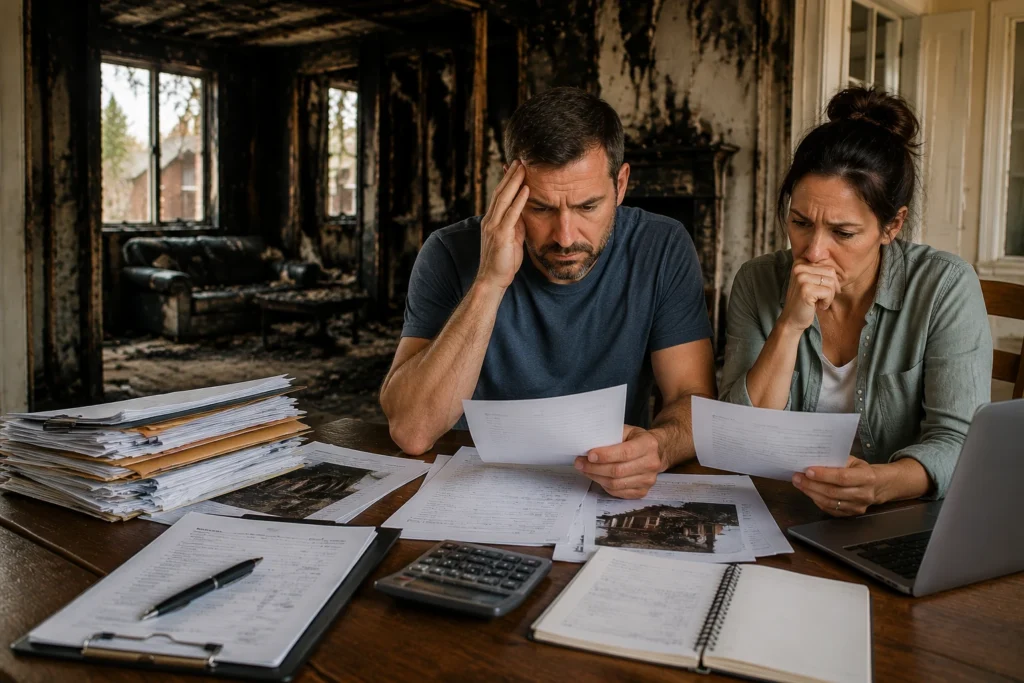
After a claim is reported, the insurance company usually sends an adjuster to inspect the property. This inspection helps determine the extent of damage and estimate repair costs.
During the inspection, the adjuster may review:
- Structural damage
- Fire origin information
- Smoke impact
- Water damage
- Damaged contents
- Required repairs
However, the insurance company’s adjuster represents the insurer’s interests. Their evaluation is part of the company’s claim process. For homeowners dealing with large or complicated losses, having additional professional guidance can make a significant difference. A public adjuster works for the policyholder and helps review the damages from the homeowner’s perspective. They focus on identifying losses, preparing documentation, and helping homeowners understand their available options.
Why Accurate Damage Evaluation Matters
A house fire is not only about replacing burned materials. The full impact can include repairs that are not immediately obvious.
For example:
| Damage Area | Possible Issues |
| Walls and Ceilings | Smoke absorption, staining, structural repairs |
| Electrical Systems | Damaged wiring, unsafe components |
| HVAC Systems | Smoke contamination and cleaning requirements |
| Flooring | Replacement due to fire, smoke, or water exposure |
| Personal Belongings | Replacement costs for damaged items |
Missing these details early can create problems later. The House Fire Insurance Claim Process requires homeowners to think beyond visible damage. A room that looks repairable may still require extensive cleaning, replacement, or restoration.
Step 5: Understanding Claim Valuation and Settlement Calculations
The value of a fire claim depends on several factors, including the cost of repairs, replacement prices, policy limits, and coverage terms. Insurance companies often use estimates to calculate settlement amounts. However, those estimates may not always reflect the complete cost of restoring a home to its previous condition.
Important valuation factors include:
- Current construction costs
- Labor expenses
- Material availability
- Building code requirements
- Replacement costs for belongings
- Restoration needs
Another important distinction is the difference between replacement cost and actual cash value. Replacement cost coverage generally considers the cost to replace damaged property with similar materials. Actual cash value typically considers depreciation, meaning older items may receive a reduced value. Understanding this difference helps homeowners evaluate whether a proposed settlement reflects the true financial impact of the loss.
The Importance of Specialized Documentation
Fire claims often involve complicated terminology and technical evaluations. Understanding certain concepts can help homeowners communicate more effectively. One example is pyrolysis, a scientific process involving the thermal decomposition of materials in the absence of oxygen. This concept is often discussed when examining how materials react during fire exposure and why certain materials may continue to deteriorate after heat damage.
Recognizing technical terms like this can help homeowners better understand professional reports and restoration discussions. For residents dealing with fire losses in Robinson, having a structured approach to documentation and communication can reduce confusion during a stressful period.
Step 6: Negotiating With the Insurance Company
After inspections are completed and documentation has been submitted, the next stage involves reviewing settlement discussions. This is where many homeowners discover that the House Fire Insurance Claim Process requires more than simply waiting for a payment. A settlement offer should be carefully reviewed before acceptance. The first estimate provided by an insurance company may not always include every expense connected to the loss. Some damages are easier to identify than others, and certain costs may appear only after restoration work begins.
Common areas that may require additional review include:
- Hidden smoke damage
- Additional structural repairs
- Increased construction costs
- Replacement of outdated materials
- Damaged personal property that was overlooked
- Necessary code upgrades
- Extended temporary housing expenses
A homeowner should compare the settlement offer against the actual cost of recovery. For example, if a contractor estimates that rebuilding requires additional materials or labor due to current market conditions, those details should be included in discussions with the insurance company. A well-prepared claim supported by evidence is much stronger than a claim based only on verbal explanations.
How a Public Adjuster Helps During Fire Claim Negotiations
Large fire losses can become overwhelming because homeowners are often dealing with repairs, displacement, and insurance communication at the same time. A public adjuster helps simplify the process by focusing specifically on the insurance claim.
Their responsibilities may include:
- Reviewing the insurance policy
- Documenting damage
- Preparing detailed estimates
- Organizing supporting evidence
- Identifying overlooked losses
- Communicating with insurance representatives
- Assisting with settlement negotiations
Unlike an insurance company adjuster, who works on behalf of the insurer, a public adjuster represents the homeowner’s interests. This distinction matters because a fire claim involves many moving parts. The homeowner needs someone who understands how damages are calculated, how coverage applies, and how to present a complete claim. For homeowners in Robinson facing extensive fire damage, professional claim guidance can provide clarity during an otherwise confusing process.
Common Challenges During a House Fire Insurance Claim
Even when a homeowner has coverage, challenges can develop throughout the claim process. Understanding these obstacles helps homeowners prepare before problems occur.
Claim Delays
One of the most common frustrations is waiting for claim progress.
Delays may happen because of:
- Additional investigations
- Missing documentation
- Disagreements about repair costs
- Complex damage assessments
- Large-scale property losses
While some delays are unavoidable, organized documentation can help prevent unnecessary setbacks. Keeping all records in one location makes it easier to respond quickly when additional information is requested.
Underpaid Fire Claims
An underpaid claim occurs when the settlement does not fully reflect the actual cost of recovery.
This may happen when:
- Damage is underestimated
- Certain items are excluded
- Replacement costs are inaccurate
- Hidden damage is not considered
- Personal property losses are incomplete
Homeowners should carefully review settlement calculations instead of assuming the first offer represents the final value of the claim. A complete evaluation should consider the entire scope of the loss, not only the most visible damage.
Fire Claim Denials
Some claims may face questions regarding coverage, policy exclusions, or the cause of the fire. A denial does not always mean the process is finished. Homeowners should review the explanation carefully and understand why the insurance company reached that decision.
Important steps include:
- Reviewing the policy language
- Gathering additional evidence
- Requesting clarification
- Seeking professional guidance when needed
Insurance claims are often decided based on documentation. Strong evidence can make a significant difference.
How Long Does the House Fire Insurance Claim Process Take?
The timeline for a fire claim depends on many factors. A small kitchen fire with limited damage may move quickly, while a total loss involving rebuilding can take months or longer.
A general timeline may look like this:
| Claim Stage | Typical Timeline |
| Reporting the Fire | Immediately after the loss |
| Initial Inspection | Several days to weeks |
| Damage Documentation | Days to several weeks |
| Settlement Discussions | Weeks to months |
| Reconstruction | Depends on project size |
Several factors influence the timeline:
- Size of the fire
- Amount of damage
- Availability of contractors
- Complexity of the policy
- Speed of documentation
- Negotiation requirements
Homeowners should focus on accuracy rather than rushing through important steps. A rushed claim can create mistakes that are difficult to correct later.
Mistakes to Avoid During a Fire Insurance Claim
A fire claim requires careful decisions. Small mistakes can create unnecessary complications. Here are common mistakes homeowners should avoid:
Discarding Damaged Items Too Quickly
Destroyed belongings may seem worthless, but they are often important evidence for the claim. Before removing items, document them thoroughly.
Starting Repairs Without Approval or Documentation
Emergency repairs may be necessary, but homeowners should keep records of all work performed.
Save:
- Receipts
- Contractor information
- Before-and-after photos
- Repair descriptions
Accepting the First Settlement Offer Without Review
A settlement offer should be compared with the actual cost of recovery. Accepting too quickly may prevent homeowners from recovering expenses that were not included.
Failing to Track Living Expenses
If the home is temporarily unlivable, additional living expenses may become part of the claim.
Keep records of:
- Hotel stays
- Rental housing
- Meals
- Transportation costs
- Storage expenses
Small expenses can add up quickly during displacement.
Why Hiring a Public Adjuster Can Make a Difference
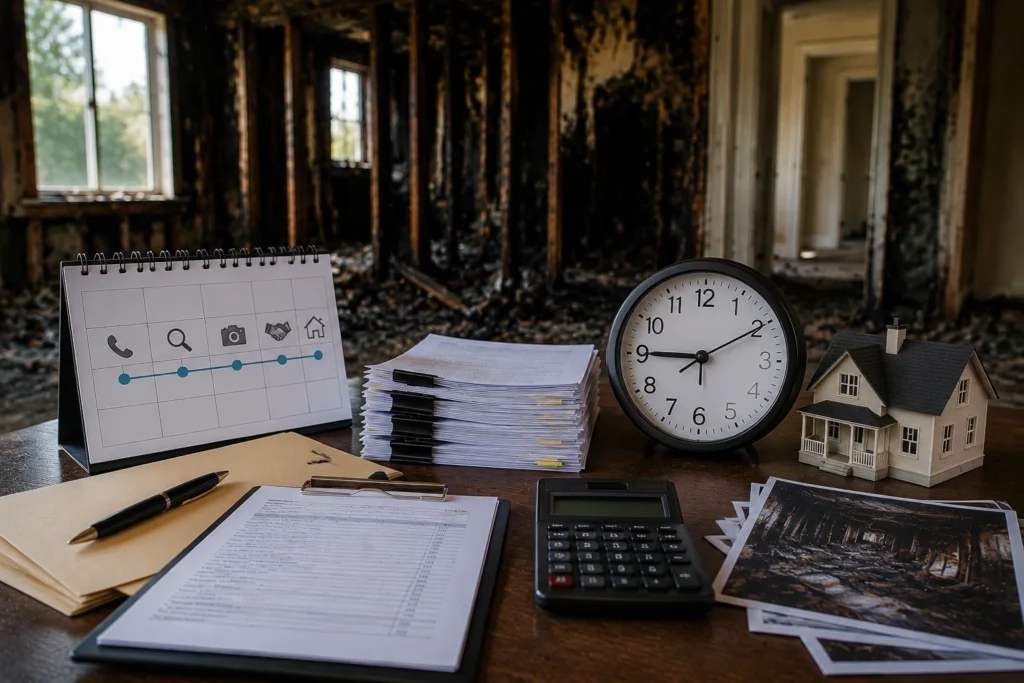
A serious house fire creates pressure at a time when homeowners are already dealing with emotional and financial stress. Handling a complicated insurance claim alone can be difficult because it requires knowledge of policy details, damage evaluation, documentation standards, and negotiation strategies. A public adjuster provides support by helping homeowners understand the process and prepare a stronger claim.
The benefits may include:
- More organized documentation
- Better understanding of coverage
- Identification of overlooked damages
- Assistance with negotiations
- Reduced communication burden
The goal is not simply filing paperwork. The goal is presenting an accurate picture of the total loss. A properly prepared claim gives homeowners a better opportunity to receive a settlement that reflects their actual recovery needs.
Rebuilding After a House Fire
Receiving an insurance settlement is only one part of recovery. The next step is rebuilding a safe and comfortable home.
The rebuilding process may involve:
- Selecting qualified contractors
- Reviewing construction estimates
- Choosing replacement materials
- Meeting updated building requirements
- Managing restoration timelines
Homeowners should continue keeping detailed records throughout reconstruction.
Important documents include:
- Contractor agreements
- Invoices
- Material receipts
- Permit information
- Inspection reports
Rebuilding is a major project. Careful organization helps prevent additional stress.
Preparing Your Home for the Future
After experiencing a fire, many homeowners become more aware of fire prevention and property protection.
Future improvements may include:
- Updated smoke detectors
- Electrical system inspections
- Fire-resistant materials
- Improved storage practices
- Regular maintenance checks
It is also a good time to review insurance coverage. Home values, construction costs, and personal belongings change over time. An insurance policy that was appropriate years ago may no longer provide enough protection. Regular policy reviews help homeowners understand whether their coverage matches their current needs.
Final Thoughts on the House Fire Insurance Claim Process
The House Fire Insurance Claim Process involves many steps, and each decision can influence the outcome. From the first emergency response to final settlement negotiations, careful documentation and informed decisions are essential. A successful claim is built on preparation. Homeowners who document damage, understand their coverage, track expenses, and seek professional guidance when necessary are better positioned to navigate recovery.
A house fire can create uncertainty, but the insurance process does not have to add more confusion. With the right approach, homeowners can move forward with a clearer plan and stronger support. For those dealing with significant fire losses, Robinson Public Adjuster helps homeowners understand their options, organize their claims, and pursue a fair evaluation of their damages. The road after a fire may be challenging, but a properly managed claim can provide the foundation needed to rebuild, recover, and move forward.
FAQs
The timeline depends on the severity of the damage, documentation, inspections, and settlement negotiations. Large fire claims may take several months to complete.
Prioritize safety, contact emergency services if needed, report the loss to your insurance company, and begin documenting the damage as soon as it is safe.
Many policies cover smoke and water damage caused by a covered fire event. Coverage depends on the specific terms and limits of the insurance policy.
Yes, homeowners can hire a public adjuster to help document damages, review coverage, and negotiate with the insurance company.
Important documents include photos, videos, repair estimates, receipts, personal property inventories, and emergency service reports.
Claims may be underpaid when damages are missed, repair costs are underestimated, or personal property losses are not fully documented.
Many homeowners policies include additional living expense coverage that may help pay for temporary housing and related costs.
Replacement cost covers the expense of replacing damaged property, while actual cash value considers depreciation when calculating payment.
A denied claim may be reviewed depending on the reason for denial and the available evidence supporting the homeowner’s position.
Detailed documentation, accurate damage assessments, organized records, and professional guidance can help create a stronger claim.