
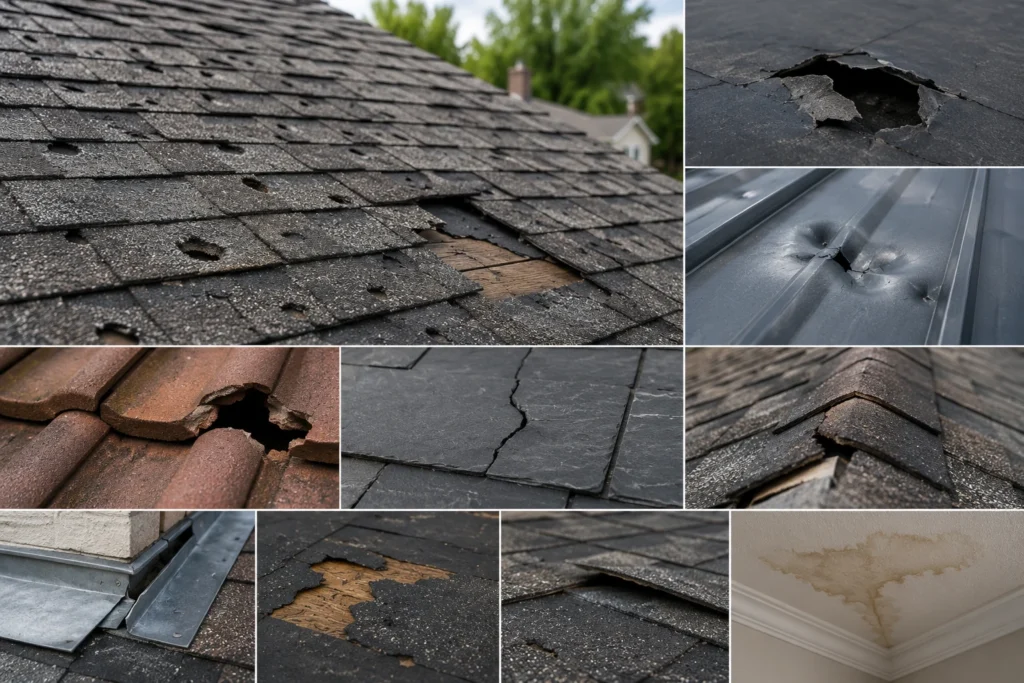
A hailstorm can last only a few minutes, yet the damage it leaves behind may create questions that linger for months. One of the biggest sources of confusion for homeowners is understanding cosmetic vs functional hail damage. At first glance, every dent, crack, or missing granule may seem equally serious. In reality, insurance companies, roofing professionals, and property owners often evaluate storm damage very differently. Knowing the distinction can help you make smarter decisions, avoid unnecessary expenses, and protect your home after severe weather. For homeowners in Robinson, learning how these two types of hail damage differ is an important first step before filing an insurance claim or scheduling repairs.
Hail impacts rarely leave identical results. The size of the hailstones, wind speed, roof age, roofing material, and even the direction the storm traveled can all influence the severity of the damage. Two neighboring homes may experience the same storm but end up with very different repair needs. That’s why a careful inspection matters far more than making assumptions based solely on what you can see from the ground. Storm damage assessments often involve concepts borrowed from fields such as fractography, the study of how materials crack and fail under stress. While homeowners don’t need engineering expertise, understanding that roofing materials respond differently to impact helps explain why some hail damage is merely cosmetic while other damage compromises the roof’s ability to protect the home.
Throughout this guide, we’ll break down the differences between cosmetic and functional hail damage, explain how insurance companies evaluate both, discuss common warning signs, and outline practical steps you can take after a hailstorm. Whether your roof shows obvious damage or only a few suspicious dents, understanding what those impacts actually mean can make a significant difference when protecting both your property and your insurance claim.
What Is Cosmetic Hail Damage?
Not every hail mark means your roof has failed. Cosmetic hail damage refers to visible surface imperfections that primarily affect the appearance of roofing materials without immediately reducing their ability to keep water out. The roof may still perform its intended function, even though it no longer looks perfect. That distinction is important because insurance policies often evaluate cosmetic damage differently than structural damage. Appearance alone doesn’t always determine whether repairs are necessary or covered.
Common Examples of Cosmetic Hail Damage
Cosmetic damage usually involves minor surface impacts that don’t penetrate the roofing system.
Examples include:
- Small dents on metal roofing panels
- Minor dimples on gutters
- Slight indentations on roof vents
- Surface marks on flashing
- Light granule displacement on asphalt shingles
- Small dents on metal fascia
- Minor impressions on downspouts
- Cosmetic marks on siding
These blemishes may be noticeable during an inspection, especially under certain lighting conditions, but they don’t automatically indicate that water can enter the structure. Think of it like a dent in a car door. It may reduce appearance and resale value, but the vehicle still operates normally. Roofing can sometimes experience similar superficial damage after a hailstorm.
Cosmetic Damage Can Still Create Problems
Just because damage is cosmetic doesn’t mean it should be ignored. Homeowners often focus only on whether the roof leaks today. However, appearance also carries value, especially if you’re planning to sell your home in the future.
Potential buyers frequently notice:
- Dented gutters
- Visible roof imperfections
- Damaged flashing
- Uneven roofing surfaces
Even when these issues don’t immediately affect performance, they may influence negotiations or raise concerns during a home inspection. Some roofing manufacturers may also have warranty provisions related to impact damage. Depending on the product, visible impacts could affect future warranty claims, making documentation especially important.
What Is Functional Hail Damage?
Functional hail damage is far more significant because it affects how well your roofing system performs its primary job protecting your home from water intrusion and weather. Unlike cosmetic damage, functional damage compromises the integrity of roofing materials. That means the roof’s protective barrier has been weakened. Sometimes the effects appear immediately. Other times, they remain hidden until the next heavy rain.
Common Examples of Functional Damage
Functional damage may include:
- Cracked asphalt shingles
- Torn roofing membranes
- Punctured metal roofing
- Broken clay or concrete tiles
- Fractured slate
- Damaged ridge caps
- Compromised flashing
- Exposed underlayment
- Lifted shingles
- Broken seal strips
Each of these conditions creates opportunities for moisture to penetrate beneath the roofing surface. Water rarely stays where it first enters. Instead, it often travels along decking, framing, or insulation before becoming visible inside the home. By the time stains appear on ceilings, the underlying damage may have existed for weeks or even months.
Why Functional Damage Requires Immediate Attention
Roofs serve as complete weather protection systems rather than collections of individual shingles. Once that system is compromised, multiple secondary problems may begin developing.
Potential consequences include:
- Interior water damage
- Mold growth
- Wet insulation
- Wood rot
- Ceiling stains
- Electrical hazards
- Structural deterioration
- Reduced energy efficiency
Small failures have a habit of becoming expensive repairs if left unresolved. Prompt inspections after major hailstorms help identify these issues before they spread.
Cosmetic vs Functional Hail Damage: The Key Differences
Understanding the difference becomes much easier when comparing both types side by side.
| Cosmetic Hail Damage | Functional Hail Damage |
| Primarily affects appearance | Affects roof performance |
| Usually superficial | Damages protective components |
| May not allow water intrusion | Can lead to leaks |
| Often limited to dents or surface marks | Includes cracks, punctures, or fractures |
| May not require immediate repair | Usually requires prompt attention |
| Insurance coverage varies by policy | Often receives greater attention during claims |
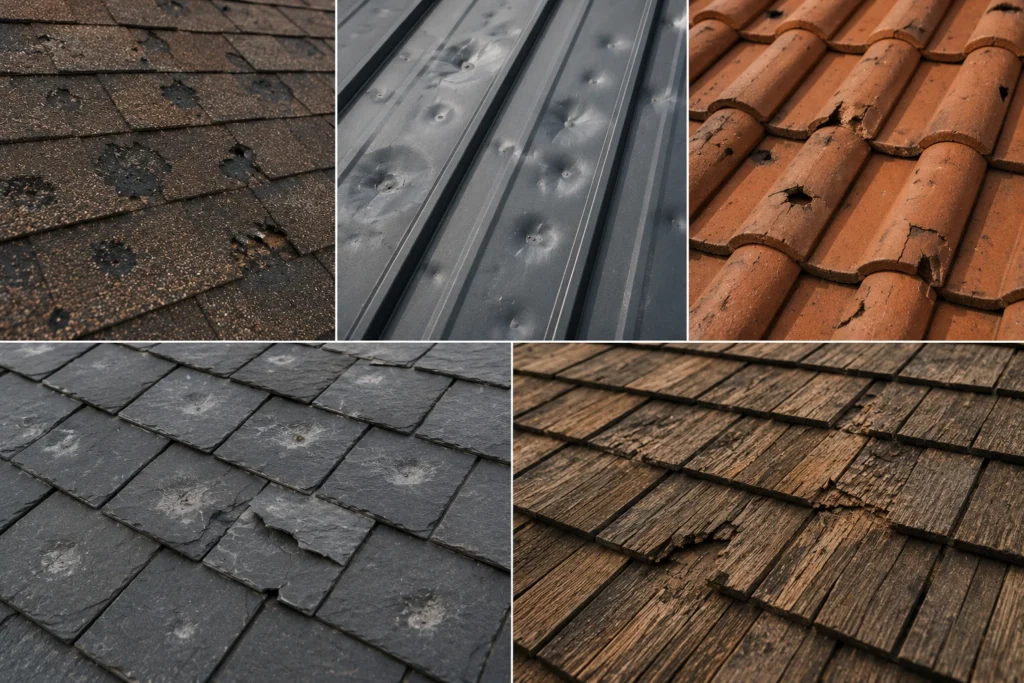
One important point deserves emphasis. The same hailstone can create cosmetic damage on one roofing material while causing functional damage on another.
For example:
- A metal roof may only receive a visible dent.
- An asphalt shingle may lose protective granules.
- A clay tile may crack completely.
- A slate roof may fracture beneath the surface.
That’s why roofing material matters just as much as hail size.
How Insurance Companies Evaluate Cosmetic vs Functional Hail Damage
Insurance adjusters don’t simply count dents. Instead, they investigate whether the hail actually reduced the roof’s ability to perform its intended purpose. Several factors influence that decision.
The Inspection Process
Most inspections include:
- Exterior roof examination
- Test square inspections
- Close-up photography
- Measurements of hail impacts
- Evaluation of roofing components
- Inspection of gutters, vents, flashing, and soft metals
- Interior inspection when necessary
Adjusters often compare multiple roof slopes because hail doesn’t always strike every section equally. South-facing slopes, windward sides, and exposed elevations may experience greater impacts depending on storm direction. Professional documentation becomes especially valuable because photographs taken immediately after the storm often capture details that weathering may later obscure.
Factors That Influence Coverage Decisions
Insurance companies typically evaluate:
- Roof age
- Roofing material
- Previous repairs
- Maintenance history
- Storm intensity
- Local weather reports
- Hail size
- Distribution of impacts
- Existing wear and tear
No two claims are identical. Even neighboring properties can receive different evaluations depending on their roofing conditions before the storm occurred.
Why Experts Sometimes Disagree
It’s not uncommon for two qualified professionals to inspect the same roof and reach different conclusions. Why? Because identifying functional damage sometimes requires professional judgment. One inspector may conclude that granule loss exposed enough asphalt to shorten the roof’s life significantly.
Another may determine the damage remains largely cosmetic. These differences don’t automatically mean someone is wrong. Roofing systems are complex, and certain forms of impact damage become clearer only through detailed, hands-on inspections combined with experience interpreting storm-related failures.
Roofing Materials React Differently to Hail
One of the biggest misconceptions homeowners have is believing that hail affects every roof the same way. It doesn’t. The same hailstorm can leave one roof with little more than a few dents while causing another to require extensive repairs. Material type, roof age, installation quality, and maintenance history all influence how well a roofing system withstands impact. Understanding these differences helps explain why evaluating cosmetic vs functional hail damage requires more than a quick glance from the driveway.
Asphalt Shingles
Asphalt shingles remain one of the most common residential roofing materials, but they’re also among the easiest to damage during severe hailstorms.
Inspectors typically look for:
- Bruised shingles
- Circular impact marks
- Granule loss
- Cracks
- Torn edges
- Exposed asphalt mat
Granules serve an important purpose. They shield the asphalt beneath from ultraviolet rays and everyday weather exposure. When enough granules are knocked away, the shingle begins aging much faster than intended. Initially, the roof may still shed water. Over time, however, weakened shingles become increasingly vulnerable to wind, rain, and temperature changes.
Metal Roofs
Metal roofing generally performs well during hailstorms. However, performance and appearance aren’t always the same thing.
Common findings include:
- Dents
- Dings
- Minor surface impressions
- Distorted panels
- Damaged seams
- Bent flashing
In many situations, dents affect only appearance and fall into the cosmetic category. But if hail damages seams, fasteners, locking systems, or protective coatings, the roof’s weather resistance may also be compromised. Professional evaluation becomes especially important with standing seam metal roofs because subtle damage isn’t always visible from ground level.
Clay and Concrete Tile Roofs
Tile roofs react differently than metal or asphalt. Rather than denting, they tend to crack.
Inspectors often search for:
- Hairline fractures
- Corner breaks
- Impact chips
- Broken ridges
- Displaced tiles
Some fractures are obvious. Others remain hidden beneath the surface until moisture begins entering the roof assembly. Replacing individual broken tiles quickly can help prevent much larger repairs later.
Slate Roofs
Natural slate offers exceptional durability, but it also has a brittle side.
Large hailstones may create:
- Surface fractures
- Internal cracks
- Broken corners
- Split tiles
Because replacement slate often varies in age and color, matching damaged pieces can sometimes become an additional challenge during repairs.
Wood Shake Roofs
Wood roofing absorbs impact differently than manufactured materials.
Instead of dents, inspectors often find:
- Splits
- Deep impact marks
- Loose shakes
- Cracked wood fibers
- Moisture penetration points
Once protective fibers split, repeated wetting and drying can accelerate deterioration.
Signs Your Hail Damage May Be Functional
After a storm, homeowners naturally begin looking for obvious signs of trouble. Unfortunately, the most serious damage isn’t always the easiest to spot. Some functional issues hide beneath shingles or inside the roofing system, making professional inspections valuable even when everything appears normal from the ground. Watch for these warning signs.
Cracked or Broken Roofing Materials
Cracks create direct pathways for water. Whether they’re found in shingles, tiles, flashing, or roofing membranes, broken materials almost always deserve closer evaluation.
Soft Bruises on Asphalt Shingles
Roofing professionals often identify hail bruises by gently pressing suspected impact areas.
Instead of feeling firm, damaged spots may feel:
- Soft
- Spongy
- Depressed
These bruises can shorten the lifespan of shingles even before visible leaks develop.
Exposed Roofing Layers
If hail removes enough granules to expose asphalt beneath, weathering accelerates. Over time, ultraviolet radiation and moisture continue degrading the exposed material.
Water Stains Inside the Home
Interior warning signs often include:
- Ceiling discoloration
- Peeling paint
- Damp drywall
- Attic moisture
- Mold odors
By the time these symptoms appear, water may already have traveled significant distances from the original roof damage.
Damaged Flashing
Flashing protects vulnerable transition points around:
- Chimneys
- Skylights
- Roof valleys
- Plumbing vents
- Wall intersections
When flashing bends, cracks, or separates, water gains another opportunity to enter the home.
Signs the Damage May Be Primarily Cosmetic
Not every visible mark requires immediate roof replacement. Some hail impacts affect appearance without significantly reducing the roof’s ability to protect the structure.
Possible cosmetic signs include:
- Small dents on gutters
- Minor dings on downspouts
- Light impressions on metal roofing
- Surface marks on vents
- Slight flashing dents
- Uniform roof performance
- No visible leaks
- No exposed underlayment
Even so, cosmetic damage should still be documented. Storm records, inspection reports, and photographs may prove valuable if conditions change over time.
Can Cosmetic Damage Become Functional Over Time?
The answer is yes. Although cosmetic damage doesn’t necessarily affect roof performance immediately, weather never stops working. Every season introduces new stress. Sun. Rain. Wind. Temperature swings. Freeze-thaw cycles. Those repeated forces gradually wear roofing materials that have already experienced impact.
For example, a shallow hail bruise on an asphalt shingle may initially leave the waterproof surface intact. Months later, constant expansion and contraction can cause that weakened area to crack. Likewise, a dented metal panel might not leak today, but if protective coatings become damaged, corrosion may eventually begin. Small problems don’t always stay small. Routine inspections help determine whether cosmetic damage remains stable or begins affecting roof performance.
Why Professional Roof Inspections Matter
Walking around your home after a storm is a smart first step. Stopping there isn’t. Many forms of hail damage simply cannot be evaluated safely or accurately from the ground. Professional inspectors examine areas homeowners rarely see.
They understand how different roofing materials react to impact. More importantly, they know what insurance companies typically document during claims. Property owners in Robinson often schedule inspections soon after significant hailstorms because early documentation provides a clearer record of storm-related damage before weathering changes the evidence.
Professional Inspections Often Include
- Detailed roof measurements
- High-resolution photographs
- Drone imaging
- Close-up impact documentation
- Flashing evaluation
- Vent inspections
- Moisture detection
- Attic inspection
- Written reports
- Damage mapping
These reports frequently become valuable reference documents throughout the insurance process.
Why Documentation Matters
Imagine discovering a ceiling leak six months after a hailstorm. Without earlier inspection records, proving when the damage occurred may become more challenging.
Good documentation establishes:
- Date of inspection
- Location of impacts
- Number of damaged components
- Roof condition
- Supporting photographs
- Professional observations
The stronger the documentation, the easier it becomes to understand the full scope of the damage.
What Happens if Functional Damage Is Missed?
Some homeowners postpone inspections because everything “looks fine.” That’s understandable. It’s also risky. Hidden functional damage rarely announces itself immediately. Instead, problems often grow quietly until repairs become significantly more expensive.
Potential consequences include:
- Roof leaks
- Wet insulation
- Mold growth
- Rotting roof decking
- Ceiling damage
- Damaged flooring
- Electrical concerns
- Increased repair costs
- Interior painting expenses
- Structural deterioration
One small crack today can become a major restoration project after months of repeated rainfall. Addressing problems early generally limits both disruption and repair costs.
What Should Homeowners Do After a Hailstorm?
Taking organized action after severe weather helps protect both your property and your potential insurance claim.
Here’s a practical checklist to follow.
| Step | Action |
| 1 | Prioritize safety before inspecting the property. |
| 2 | Walk around the exterior and note visible damage. |
| 3 | Photograph roofs, gutters, siding, windows, and outdoor equipment if safely visible. |
| 4 | Check ceilings and the attic for water intrusion. |
| 5 | Prevent additional damage with temporary protective measures if needed. |
| 6 | Schedule a professional roof inspection. |
| 7 | Save receipts for emergency repairs. |
| 8 | Contact your insurance company if storm damage is confirmed. |
| 9 | Keep copies of every inspection report, estimate, and photograph. |
Following these steps creates a stronger record of the property’s condition while helping ensure important evidence isn’t lost over time.
When Should You Contact a Public Adjuster?
Not every insurance claim requires outside assistance. Sometimes the inspection is thorough, the damage is properly documented, and the claim moves smoothly from start to finish. Unfortunately, that isn’t always the case. Homeowners occasionally receive estimates that seem lower than expected or learn that portions of the damage weren’t included in the original inspection. When questions arise, understanding A Clear, Real-World Look at How Public Adjusters Work can help homeowners decide whether professional representation is appropriate.
A public adjuster works on behalf of the policyholder—not the insurance company. Their role is to review the policy, inspect the damage, organize supporting documentation, and help present the claim as accurately and completely as possible. There are several situations where contacting a public adjuster may be worth considering.
The Claim Was Denied
A denial doesn’t automatically mean the damage isn’t real.
Claims may be denied because of:
- Questions about the cause of damage
- Insufficient documentation
- Missed deadlines
- Coverage exclusions
- Disagreements over the extent of damage
Before accepting a denial as final, it’s often helpful to understand why the decision was made and whether additional documentation may clarify the situation.
The Settlement Seems Too Low
Repair estimates can vary. If a contractor identifies necessary work that wasn’t included in the insurance estimate, it may be appropriate to request a closer review.
Differences sometimes involve:
- Roofing components omitted from the estimate
- Local labor costs
- Material pricing
- Code-related repairs
- Hidden damage discovered after work begins
A detailed comparison of estimates can help identify where those differences exist.
Multiple Professionals Disagree
It’s not unusual for opinions to differ. One inspector may conclude that a roof requires only minor repairs, while another recommends replacing an entire roofing section because the damage affects long-term performance. When these disagreements occur, thorough documentation becomes the foundation for productive discussions.
Hidden Damage Appears Later
Some hail damage doesn’t become visible until weeks or months after the storm.
Examples include:
- Slow attic leaks
- Mold growth
- Soft roof decking
- Interior staining
- Moisture behind walls
If additional damage is discovered after the initial inspection, keeping organized records can help explain how those issues developed.
Common Misconceptions About Cosmetic and Functional Hail Damage

Storm damage is surrounded by myths. Some are harmless. Others lead homeowners to make costly decisions. Let’s clear up a few of the most common misunderstandings.
Myth 1: Every Dent Means the Roof Needs Replacing
Not necessarily. A dented metal vent or gutter may have little or no effect on the roof’s ability to keep water out. Every impact should be evaluated on its own merits.
Myth 2: If the Roof Isn’t Leaking, There’s No Damage
Leaks often develop long after the storm has passed. A roof can sustain functional damage without allowing immediate water intrusion. Waiting for stains to appear may allow hidden problems to grow.
Myth 3: Cosmetic Damage Never Matters
Appearance still has value. Cosmetic damage may affect:
- Property value
- Buyer confidence
- Manufacturer warranties
- Future repair costs
- Overall curb appeal
Although cosmetic issues may not always require immediate repairs, they deserve proper documentation.
Myth 4: Insurance Covers Every Type of Hail Damage
Coverage depends on the specific policy. Some policies contain provisions addressing cosmetic damage differently from functional damage, particularly for metal roofing systems. Reading your policy carefully or asking for clarification can prevent surprises during the claims process.
Myth 5: A Ground-Level Inspection Is Enough
Many forms of hail damage simply aren’t visible from the driveway. Professional roof inspections provide a much more complete picture of the roof’s condition.
Preventing Bigger Problems After a Hailstorm
No homeowner can stop hail from falling. However, there are several ways to reduce the likelihood that minor storm damage turns into a major repair project.
Schedule Routine Roof Inspections
Even without obvious damage, periodic inspections can identify developing issues before they become expensive.
Many roofing professionals recommend inspections:
- After severe hailstorms
- Following high-wind events
- Before buying or selling a home
- As part of regular home maintenance
Keep Gutters Clean
Blocked gutters prevent proper drainage. When water backs up beneath roofing materials, even small areas of hail damage can become more problematic.
Trim Overhanging Trees
Branches scraping against roofing materials can worsen impact damage and create additional maintenance concerns after storms.
Address Small Repairs Promptly
Loose flashing. Lifted shingles. Broken seal strips. These issues are generally easier and less expensive to repair before they allow moisture into the home.
Maintain Good Records
Create a dedicated folder containing:
- Roof inspection reports
- Insurance correspondence
- Contractor estimates
- Repair invoices
- Storm photographs
- Warranty information
Good organization often simplifies future claims and maintenance decisions.
Why Understanding Cosmetic vs Functional Hail Damage Protects Homeowners
Storm recovery isn’t just about repairing a roof. It’s about making informed decisions. Understanding cosmetic vs functional hail damage allows homeowners to ask better questions, recognize potential warning signs, and communicate more effectively with contractors and insurance representatives. Rather than assuming every dent is serious or dismissing visible damage as unimportant you’ll be better prepared to evaluate the situation based on evidence.
That balanced approach helps reduce unnecessary repairs while ensuring genuine functional damage isn’t overlooked. Knowledge also improves documentation. Instead of taking only a few photographs, you’ll know to document gutters, flashing, roof vents, siding, windows, attic spaces, and any interior signs of water intrusion. Those details often become valuable if questions arise later in the claims process.
Most importantly, understanding cosmetic vs functional hail damage encourages proactive maintenance. Small repairs completed early frequently prevent much larger restoration projects later.
Conclusion
A hailstorm may be over in minutes, but its effects can last for years if damage goes unnoticed or is misunderstood. Learning the difference between cosmetic vs functional hail damage helps homeowners move beyond appearances and focus on what truly matters the long-term ability of a roof to protect the home. Cosmetic damage generally affects how roofing materials look. Functional damage affects how they perform. While cosmetic dents and minor surface imperfections may not require immediate action, they should still be documented carefully because conditions can change over time. Functional damage, on the other hand, deserves prompt attention since it can lead to leaks, mold, structural deterioration, and significantly higher repair costs.
No two hailstorms are identical, and no two roofs respond exactly the same way. Roofing materials, installation quality, maintenance history, storm intensity, and roof age all influence the outcome. That’s why professional inspections remain one of the most valuable steps homeowners can take after severe weather. An experienced inspection provides detailed documentation, identifies hidden issues, and creates a reliable record that can support future insurance discussions if necessary.
For property owners in Robinson, taking a proactive approach after a hailstorm can make all the difference. Whether the damage appears minor or extensive, acting quickly, documenting thoroughly, and seeking qualified guidance helps protect both the property and the claims process. When questions arise about the true extent of storm damage or an insurance settlement doesn’t seem to reflect the condition of the roof, experienced assistance may help clarify the situation. By understanding cosmetic vs functional hail damage, homeowners are better equipped to make confident decisions, safeguard their investment, and move forward with greater peace of mind after the storm has passed.
FAQs
Cosmetic hail damage affects the appearance of roofing materials, while functional hail damage impacts the roof’s ability to protect your home from water and weather.
It depends on your policy. Some insurers limit or exclude coverage for cosmetic damage, especially on certain roofing materials.
Signs include cracked shingles, punctures, exposed underlayment, damaged flashing, leaks, or water stains inside your home.
Yes. Weather, UV exposure, and temperature changes can cause some cosmetic damage to develop into functional damage.
If the storm produced large hail or visible damage, scheduling a professional inspection is a smart way to identify hidden issues early.
No. Some roofs only require minor repairs, while others may need partial or full replacement depending on the extent of the damage.
They may use different inspection methods or interpret the severity of the damage differently, particularly when distinguishing cosmetic from functional damage.
Yes. Hidden cracks or weakened roofing materials may not leak immediately but can fail over time as they are exposed to rain and changing weather.
Consider contacting a public adjuster if your claim is denied, the settlement seems too low, or there’s a dispute over the extent of the damage.
Knowing the difference helps you make informed repair decisions, document damage properly, and better navigate the insurance claims process.