
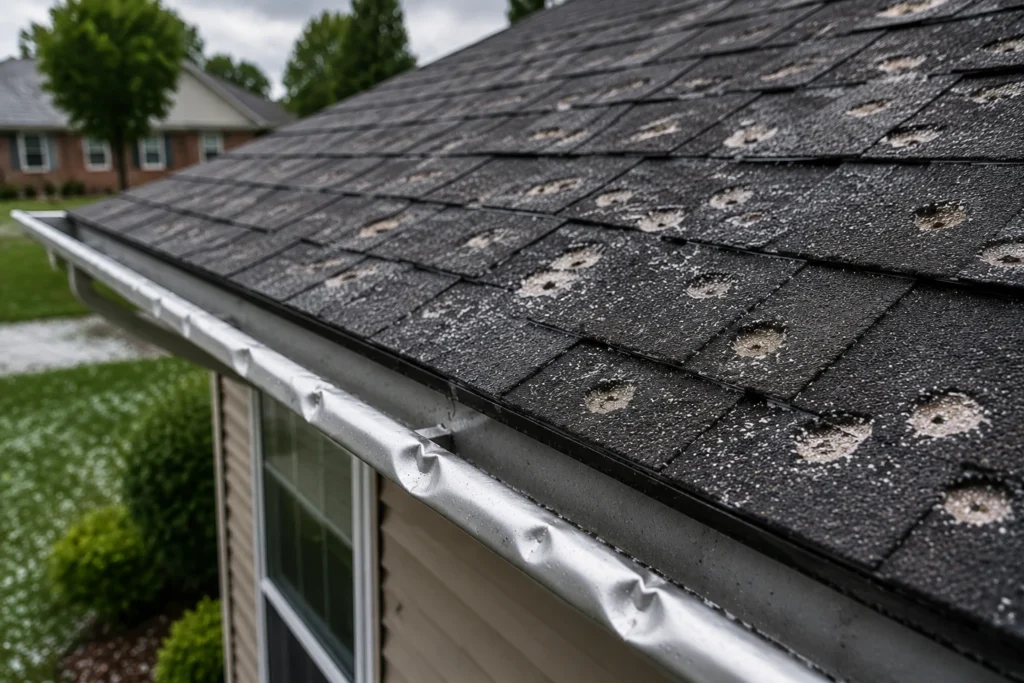
If you are looking at roof dents, damaged gutters, missing granules, or a leak that appeared months after a storm, one question usually comes first: does insurance cover old hail damage? The answer depends on several important factors, including your insurance policy, when the storm occurred, how much evidence exists, and whether the damage can still be connected to a covered event. Many property owners assume that if hail damage was not reported immediately, insurance will automatically deny the claim. That is not always true. Old hail damage can sometimes still be covered, especially when there is strong documentation showing what happened and when it happened.
The challenge is that hail damage is not always obvious. A storm can leave behind bruised shingles, damaged flashing, dented vents, and weakened roofing materials without creating an immediate leak. Months later, heavy rain may reveal a problem that was already there. For property owners in Robinson, discovering hail damage after the fact can create uncertainty. Was the damage caused by a recent storm? Was it from an older event? Will insurance still respond? These questions are common, and the answers depend on the details surrounding the loss. The most important factor in any old hail damage claim is evidence. Photos, inspections, weather reports, repair records, and policy details all help create a clearer picture. The more organized the information, the easier it becomes to determine whether coverage may apply.
What Is Considered Old Hail Damage?
Old hail damage generally refers to damage from a previous hailstorm that was not reported right away. This may happen because the damage was hidden, the property owner did not notice any problems, or the damage did not create immediate visible issues. A roof is one of the most common areas where old hail damage is discovered. From the ground, many roofing problems are difficult to identify. A roof may appear normal while impact damage is already affecting its performance.
Examples of old hail damage include:
- Shingles with bruising or cracks
- Missing roof granules
- Damaged roof vents
- Dented gutters and downspouts
- Cracked siding
- Damaged flashing
- Broken window screens
- Interior stains caused by delayed leaks
Sometimes, the damage is discovered during a routine inspection. Other times, homeowners find it when selling their property, repairing a leak, or hiring a contractor for unrelated work. The fact that damage is old does not automatically mean it is excluded. However, proving when the damage occurred becomes more important as time passes.
Does Insurance Cover Old Hail Damage?
So, does insurance cover old hail damage? In many cases, it can. However, coverage depends on whether the damage meets the requirements of the policy. Most property insurance policies are designed to cover sudden and accidental damage caused by covered events. Hail is often included as a covered cause of loss, but every policy has different terms, exclusions, deductibles, and deadlines.
An old hail damage claim may have a stronger chance of approval when:
- The hailstorm happened during the active insurance policy period
- The damage was caused by a covered storm event
- The claim is reported within the required timeframe
- The damage can be separated from normal wear and tear
- Documentation supports the cause and extent of the loss
On the other hand, insurers may challenge claims when:
- The storm date cannot be identified
- The damage appears to be caused by aging
- The roof had previous problems
- Repairs were completed before documentation
- The claim was reported outside the policy deadline
Insurance companies are not only asking whether damage exists. They are asking what caused it, when it happened, and whether the policy applies. That is why a detailed investigation matters. Insurance claims are often connected to the broader legal concept of indemnity, which refers to restoring someone after a covered loss rather than creating a financial gain.
Why Timing Matters in Old Hail Claims
Timing plays a major role in hail damage claims. Insurance companies typically need a date of loss because it helps determine whether the policy was active and whether the claim falls within applicable deadlines. However, the date you discover damage is not always the date the damage occurred. For example, a homeowner may discover a roof leak in September but later learn that a major hailstorm affected the area in April. The damage may have existed for months before becoming noticeable.
This is why delayed discovery does not always eliminate a claim. Hidden damage happens. Roof systems are designed to protect a property, and small failures may not immediately create visible problems. Still, once damage is discovered, waiting longer can create additional complications. Weather exposure, additional storms, and repairs may make it harder to determine the original cause.
A good approach is to act quickly after discovery:
- Take photographs
- Schedule an inspection
- Save repair estimates
- Review your insurance policy
- Record when and how the damage was found
The goal is to preserve evidence before conditions change.
Common Reasons Old Hail Damage Claims Are Denied
Old hail claims are often disputed because insurance companies need to determine whether the damage is related to a covered storm or another cause.
Late Reporting
One of the most common issues is delayed reporting. Insurance policies usually require policyholders to notify the insurer after a loss. The exact deadline depends on the policy. Some policies may have specific requirements for hail and wind claims. A delay does not always mean automatic denial, especially when damage was not reasonably visible. However, the longer the delay, the more questions may arise.
Wear and Tear
Insurance generally covers storm damage, not normal aging. This distinction is important because roofs naturally deteriorate over time. Shingles become brittle. Granules wear away. Materials weaken from sunlight and weather exposure.
Hail damage usually has different characteristics, such as:
- Random impact marks
- Circular bruising
- Fresh dents
- Broken or fractured materials
Wear and tear usually appears gradually across larger areas.
Lack of Storm Evidence
A strong hail claim needs a connection between the damage and a storm event. Weather records, neighborhood damage, contractor observations, and inspection reports can help establish that connection. Simply saying, “There was probably a storm sometime last year,” creates uncertainty. A documented storm date creates a much stronger foundation.
Pre-Existing Damage
Insurance companies may also look at whether damage existed before the hailstorm. For example, if a roof already had leaks, missing shingles, or poor maintenance issues, the insurer may separate those problems from new storm damage. This does not mean a damaged roof cannot have a valid hail claim. It means the claim needs to clearly identify what damage came from the covered event.
How Insurance Companies Inspect Old Hail Damage
Insurance adjusters typically look for evidence that supports or contradicts a hail-related claim.
The inspection may include:
- Roofing materials
- Gutters
- Flashing
- Roof vents
- Siding
- Windows
- Exterior structures
- Interior water damage
They often examine whether damage patterns match hail impact. For example, hail commonly leaves random marks across exposed surfaces. Aging usually creates more consistent deterioration.
Adjusters may also review:
- Weather reports
- Previous claims
- Maintenance history
- Roof age
- Repair records
A complete inspection considers the entire property, not just one damaged area. Many property owners focus only on the roof, but hail can affect several parts of a building. Gutters, vents, siding, outdoor equipment, fences, and interior areas may also provide important evidence.
Signs You May Have Old Hail Damage
You do not always need to see a major leak to suspect hail damage.
Possible warning signs include:
- Dented metal gutters
- Damaged roof vents
- Loose or missing shingles
- Excess granules near downspouts
- Cracked siding
- Damaged screens
- Ceiling stains
- Water marks
- Attic moisture
- Unexplained leaks after storms
A professional inspection is often the safest way to confirm damage. Walking on a roof without proper training can create additional risks and may even cause accidental damage. A trained inspector can identify problems that are difficult to see from the ground.
Old Hail Damage Compared With Normal Aging
One of the biggest disputes in hail claims is whether damage came from a storm or natural deterioration.
| Condition | Possible Hail Damage | Possible Aging |
| Shingles | Impact bruises and random damage | Curling and cracking |
| Metal surfaces | Fresh dents | Rust and corrosion |
| Granules | Sudden loss around impacts | Gradual thinning |
| Damage pattern | Uneven and scattered | More consistent |
| Timing | After a storm | Develops slowly |
An older roof can still have legitimate hail damage. Roof age alone does not automatically eliminate coverage. The question is whether the storm caused direct physical damage during the time the policy was active.
Can You File a Claim After Discovering Old Hail Damage?
Yes, you may still be able to file a claim after discovering old hail damage. The key is preparation. Start by documenting everything. Write down when you discovered the issue and what caused you to investigate.
Collect:
- Photos and videos
- Inspection reports
- Contractor opinions
- Weather information
- Repair records
- Insurance documents
A property owner in Robinson might discover hail damage months after a storm during a routine inspection. In situations like this, the discovery date and storm date may be different, making documentation especially important. Avoid making permanent repairs before the damage is properly recorded. Emergency repairs are different. If water is entering your home, protecting the property should come first. However, replacing damaged materials before documentation can make it harder to prove the original condition.
Behind the Claim: A Clear, Real-World Look at How Public Adjusters Work
Old hail damage claims can become complicated because they require more than simply identifying damage. They require understanding the policy, organizing evidence, estimating repairs, and communicating effectively with the insurance company. That is where professional claim assistance may help. A public adjuster works on behalf of the policyholder. Their role may include reviewing the insurance policy, documenting damage, preparing estimates, and helping present the claim accurately.
Steps to Take Before Filing an Old Hail Damage Claim

Before submitting a claim, take time to organize your information.
Review Your Policy
Look for:
- Claim reporting requirements
- Deductibles
- Coverage limitations
- Replacement cost provisions
- Exclusions
Understanding the policy helps avoid surprises.
Document the Property
Take clear photographs of:
- Roof damage
- Gutters
- Exterior walls
- Interior stains
- Damaged personal property
Save copies of everything.
Get a Professional Inspection
A detailed inspection can help determine whether damage is consistent with hail impact. This may provide valuable information before contacting the insurance company.
Build a Timeline
Create a simple timeline:
| Event | Date |
| Possible hailstorm | Storm date if known |
| Damage discovered | Discovery date |
| Inspection completed | Inspection date |
| Claim filed | Filing date |
A clear timeline helps explain the situation.
How Long Do You Have to File a Hail Damage Claim?
There is no universal deadline for every property owner. The timeframe depends on the insurance policy and applicable laws. Some policies require quick notice. Others include specific provisions for hail claims.
Waiting too long can create challenges because:
- Evidence may disappear
- Repairs may change conditions
- Additional storms may occur
- Damage may become harder to separate
If you are unsure about timing, review your policy carefully or seek professional guidance.
What Evidence Helps Support an Old Hail Claim?
Strong evidence tells a complete story.
Useful documentation includes:
- Storm reports
- Photos
- Inspection reports
- Repair estimates
- Maintenance records
- Receipts
- Contractor notes
- Insurance correspondence
Each item helps answer important questions:
What happened?
When did it happen?
What caused the damage?
What repairs are needed?
The clearer those answers are, the stronger the claim presentation becomes.
What If Insurance Says the Damage Is Too Old?
A denial is not always the end of the process. First, request the explanation in writing. Understand exactly why the insurer denied the claim.
Possible reasons may include:
- Late reporting
- Lack of storm evidence
- Wear and tear
- Policy exclusions
- Insufficient documentation
Once the reason is clear, you can determine what additional information may help. A second inspection, additional photos, weather documentation, or a professional review may provide important clarification.
How a Public Adjuster Can Help
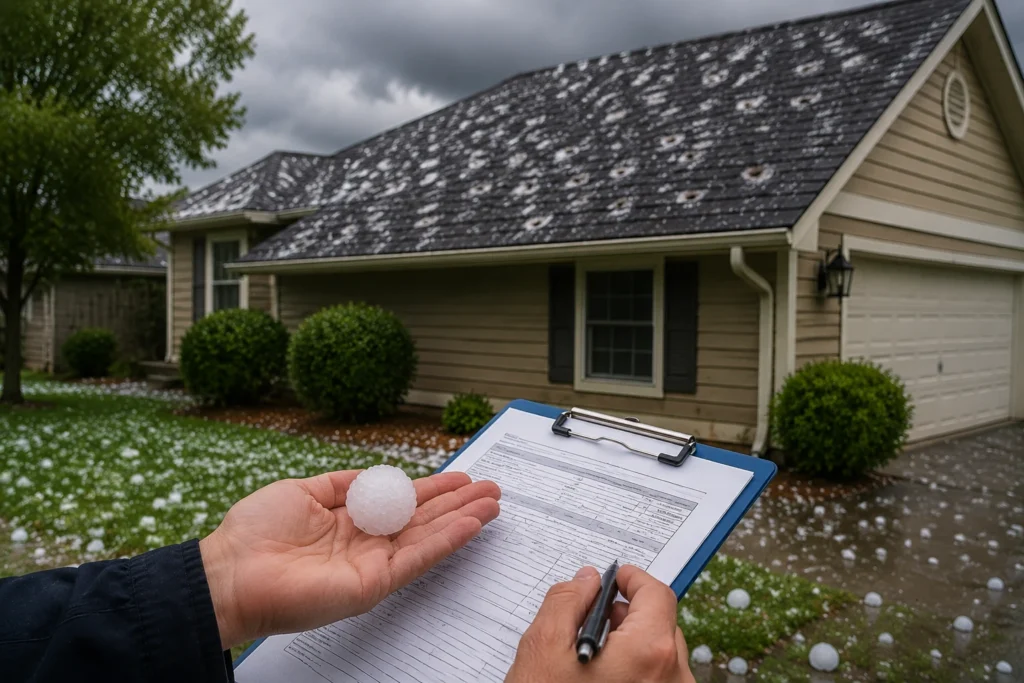
A public adjuster can help property owners understand complex claim situations, especially when old hail damage creates uncertainty.
Their services may include:
- Reviewing policy language
- Inspecting damage
- Creating detailed estimates
- Organizing documentation
- Communicating with insurers
- Helping resolve disputes
Property owners in Robinson facing delayed or disputed hail claims may benefit from having an experienced professional review the situation before making major decisions. The goal is not to guarantee coverage. The goal is to make sure the claim is accurately presented with the strongest available evidence.
Mistakes to Avoid With Old Hail Damage
Avoid these common mistakes:
- Waiting after discovering damage
- Guessing the storm date
- Ignoring small signs of damage
- Making repairs without documentation
- Throwing away damaged materials
- Accepting a denial without review
- Failing to keep records
Small mistakes can create unnecessary complications. A careful approach protects your options.
Final Thoughts
So, does insurance cover old hail damage? Sometimes, yes. But old damage requires stronger documentation, clearer timelines, and careful preparation. The age of the damage is only one factor. The bigger questions are whether the storm was covered, whether the damage can be connected to that event, and whether the claim is supported by reliable evidence. If you discover possible hail damage, do not ignore it. Document it. Investigate it. Review your policy. Take action before the situation becomes harder to explain. A well-prepared claim gives everyone a clearer understanding of what happened and what needs to be done next.
FAQs
Insurance may cover old hail damage if the storm occurred during the policy period, the damage is covered, and there is enough evidence connecting the damage to the event.
The timeframe depends on your insurance policy and local requirements. Some policies have specific deadlines, so reviewing your coverage quickly is important.
Yes, you may still be able to file a claim if you recently discovered the damage. The key is proving when the damage occurred and documenting the condition of the property.
Photos, inspection reports, weather records, contractor assessments, and evidence of nearby storm damage can help establish that hail caused the damage.
Not necessarily. An older roof can still have covered hail damage, but the insurer may separate storm-related damage from normal aging and deterioration.
You can request a written explanation, review the policy language, and provide additional documentation or professional evaluations if needed.
Emergency repairs to prevent further damage may be necessary, but permanent repairs should usually wait until the damage has been properly documented.
A public adjuster helps policyholders by reviewing coverage, documenting damage, preparing estimates, and communicating with the insurance company during the claim process.
Yes. Some hail damage does not create immediate leaks or visible problems and may only become noticeable after heavy rain or a professional inspection.
Useful evidence includes photos, videos, inspection reports, weather information, repair records, receipts, and any documents showing the property’s previous condition.