
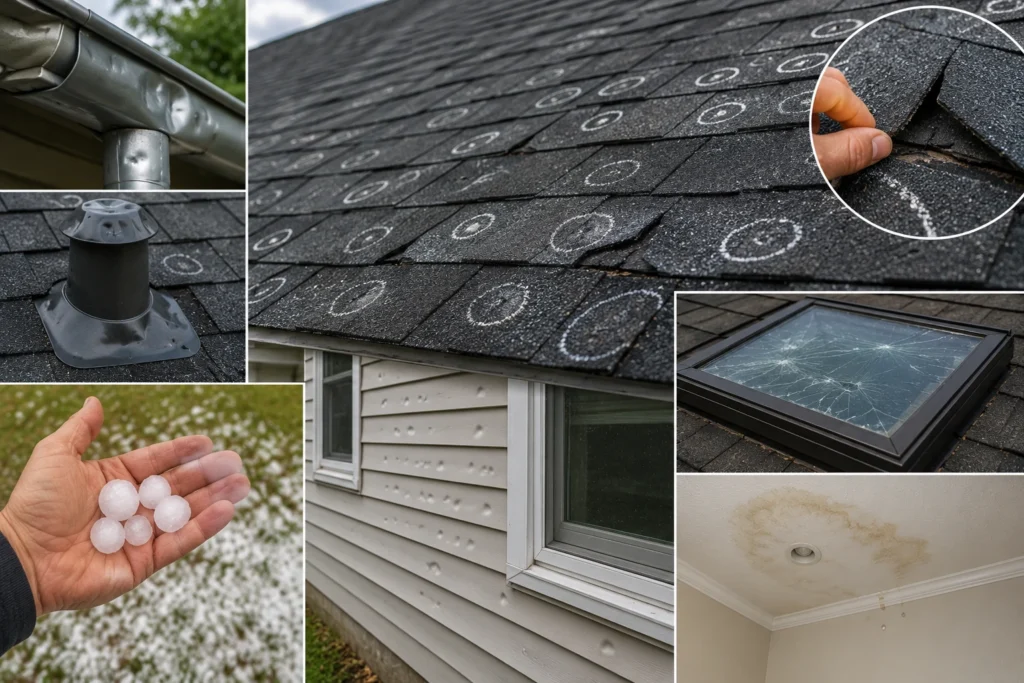
Hailstorms can leave behind obvious destruction, but they can also create hidden problems that aren’t immediately visible from the ground. Understanding how insurance companies evaluate hail damage is essential if you want to submit a well-supported claim and avoid unpleasant surprises during the adjustment process. While every insurer follows its own procedures, most rely on a structured inspection that combines physical evidence, weather data, documentation, and policy language. For property owners in Robinson, knowing what adjusters look for before they arrive can make the entire claims process smoother and more effective.
After a severe storm, many people instinctively look for dents in gutters or missing shingles. Those signs certainly matter, yet they tell only part of the story. Insurance companies typically evaluate the entire property rather than focusing on a single damaged area. They want to determine whether the reported damage resulted from the recent hailstorm, whether it affects the property’s function, and whether the policy provides coverage for the necessary repairs. Consequently, preparing for the inspection is just as important as filing the claim itself. Because hail damage isn’t always obvious, insurers often perform a methodical investigation before making a coverage decision. Adjusters examine roofing materials, exterior components, windows, siding, HVAC equipment, and even interior ceilings if water intrusion is suspected. They also compare their findings with weather reports and previous maintenance records. This thorough approach helps distinguish genuine storm damage from deterioration caused by age or neglect.
Although every claim is unique, property owners who understand the evaluation process are generally better equipped to communicate with their insurance company and preserve valuable evidence. Taking photographs, documenting the date of the storm, and arranging prompt inspections can strengthen your position while reducing unnecessary delays. Rather than relying on assumptions, it’s beneficial to understand exactly how adjusters reach their conclusions. Insurance professionals sometimes rely on concepts borrowed from other scientific disciplines when analyzing patterns and material changes. For example, the study of fracture mechanics explains how cracks initiate and spread under repeated stress, helping engineers better understand why certain materials fail after impacts. While adjusters aren’t conducting engineering research, understanding how different materials respond to impact helps explain why some hail damage is immediately apparent while other damage develops over time.
Understanding What Counts as Hail Damage
Not every dent, crack, or stain qualifies as covered hail damage. Insurance companies first determine whether the observed damage was actually caused by hail before considering whether repairs are covered under the policy. This distinction is important because roofs, siding, and other exterior materials naturally age over time. Exposure to sunlight, rain, temperature fluctuations, and wind gradually weakens building materials. Therefore, insurers spend considerable effort separating storm-related damage from ordinary wear and tear.
Cosmetic vs. Functional Damage
One of the first distinctions adjusters make involves cosmetic and functional damage. Cosmetic damage changes the appearance of a material without affecting its performance. Small dents in metal gutters or slight marks on a roof vent may not interfere with the system’s ability to protect the property. While these imperfections can be frustrating, they aren’t always covered if the policy excludes purely cosmetic damage.
Functional damage is considerably more significant. This type of damage affects the building’s ability to keep water out or maintain structural integrity. Cracked shingles, punctured roofing membranes, damaged flashing, broken skylights, or compromised siding can all increase the likelihood of future water intrusion. Since functional damage impacts the property’s performance, insurers often evaluate these issues more carefully.
Common examples include:
- Cracked or fractured shingles
- Torn roofing membranes
- Broken roof tiles
- Dented flashing that allows water entry
- Cracked skylights
- Damaged roof vents
- Split siding panels
- Broken window seals
Although cosmetic issues may appear alarming, functional damage typically carries greater weight during claim evaluations.
Why Functional Damage Receives Greater Attention
Insurance exists to restore covered property after accidental loss not to improve aging materials. As a result, adjusters ask a practical question throughout the inspection:
“Does this damage reduce the building’s ability to perform its intended function?” If hail has fractured shingles, displaced flashing, or exposed the roof deck to moisture, the answer may be yes. Conversely, a minor dent that has no measurable effect on performance may receive less consideration. Understanding this perspective helps explain why two roofs exposed to the same storm can receive different claim outcomes.
The Insurance Company’s Hail Claim Process
Although individual insurers follow different internal procedures, the overall evaluation process is remarkably similar across the industry. Each stage builds upon the previous one, creating a comprehensive picture of what occurred during the storm.
Filing the Claim
Everything begins with notifying the insurance company. Prompt reporting gives insurers the opportunity to inspect damage before weather conditions change or temporary repairs alter the property’s appearance. Delays can complicate investigations because additional storms, repairs, or deterioration may obscure important evidence.
When filing a claim, homeowners should gather:
| Information | Why It Matters |
| Date of the storm | Helps verify weather conditions |
| Property address | Identifies the inspection location |
| Description of visible damage | Provides initial claim details |
| Photos and videos | Documents conditions before repairs |
| Emergency repair receipts | Demonstrates mitigation efforts |
Providing complete information early often helps move the claim forward more efficiently.
Initial Claim Review
Once the claim is opened, the insurance company performs an administrative review. This phase involves confirming policy information, checking coverage dates, reviewing deductibles, and verifying that the reported event falls within the policy period. At this point, the insurer usually schedules an inspection rather than making any immediate decisions regarding payment. If additional information is needed, the claims representative may request photographs, invoices, or maintenance records before assigning an adjuster.
Assigning an Insurance Adjuster
After the preliminary review, an insurance adjuster is assigned to investigate the reported damage. Adjusters may be staff employees or independent professionals working on behalf of the insurer. Regardless of their employment status, their responsibility is to document observable conditions, estimate repair costs, and compare those findings with the terms of the insurance policy.
Before arriving at the property, adjusters often review:
- Reported storm dates
- Historical weather information
- Previous claims involving the property
- Satellite imagery
- Policy coverage details
- Inspection notes from earlier claims, if applicable
Consequently, much of the evaluation begins before anyone climbs onto the roof.
Scheduling the Inspection
Inspection appointments are generally arranged after the adjuster reviews the available information. Property owners benefit from attending the inspection whenever possible. Walking the property alongside the adjuster allows homeowners to point out concerns that may otherwise be overlooked, such as water stains inside the attic, damaged outdoor equipment, or areas where debris accumulated after the storm.
During the inspection, adjusters typically avoid making immediate promises regarding coverage. Instead, they gather evidence, photograph damaged areas, take measurements, and prepare detailed reports that will later be reviewed as part of the claims process. By understanding these early stages of how insurance companies evaluate hail damage, property owners can prepare more effectively before the inspection even begins, improving both communication and documentation from the outset.
What Insurance Adjusters Look for During an Inspection
The on-site inspection is one of the most important stages of how insurance companies evaluate hail damage. While photographs submitted by the property owner can be helpful, insurers almost always rely on a detailed physical inspection before determining whether repairs are covered. Adjusters rarely focus on a single damaged area. Instead, they inspect the property as a complete system, looking for evidence that supports or contradicts the reported cause of loss. Every observation contributes to the final claim evaluation.
Roof Surface Damage
The roof is usually the primary area of concern because it absorbs the full force of a hailstorm. However, different roofing materials respond differently to hail impacts. Therefore, adjusters tailor their inspections based on the type of roof installed.
For asphalt shingles, they typically look for:
- Loss of protective granules
- Circular impact marks
- Bruising beneath the shingle surface
- Cracks caused by impact
- Torn or displaced shingles
Metal roofs may show:
- Noticeable dents
- Surface deformation
- Scratched protective coatings
- Damaged seams
Tile roofs present different challenges. Rather than looking for dents, adjusters inspect for fractured tiles, chipped edges, broken corners, and concealed cracks that could eventually allow moisture to enter beneath the roofing system. Flat roofing systems receive close attention as well. Membrane punctures, blistering, seam separation, and impact depressions may all indicate hail-related damage requiring further evaluation.
Soft Metal Components
One of the easiest places to identify hail damage is often the roof’s soft metal accessories. These materials dent more readily than shingles, making them useful indicators of storm intensity.
Common inspection points include:
- Roof vents
- Flashing
- Turbine vents
- Ridge caps
- Gutters
- Downspouts
- Metal chimney caps
While dents alone don’t automatically justify replacing an entire roof, they often help confirm that hail of sufficient size struck the property.
Exterior Components
Insurance companies don’t stop at the roof. Adjusters continue around the building examining every exposed surface for storm-related damage.
Typical inspection areas include:
- Vinyl siding
- Fiber cement siding
- Brick veneer
- Exterior trim
- Garage doors
- Window frames
- Screens
- Fencing
- Outdoor lighting
- Mailboxes
Finding consistent impact patterns across multiple building components helps strengthen the evidence that the reported hailstorm affected the property.
Interior Evidence
Some hail damage doesn’t reveal itself until water begins entering the structure. For that reason, adjusters frequently inspect interior spaces when leaks are reported.
Areas commonly examined include:
- Attics
- Ceiling drywall
- Interior wall finishes
- Insulation
- Window casings
- Flooring near exterior walls
Water stains, damp insulation, peeling paint, mold growth, and warped materials may all indicate that roof damage has allowed moisture inside.
How Adjusters Determine Whether Damage Was Actually Caused by Hail
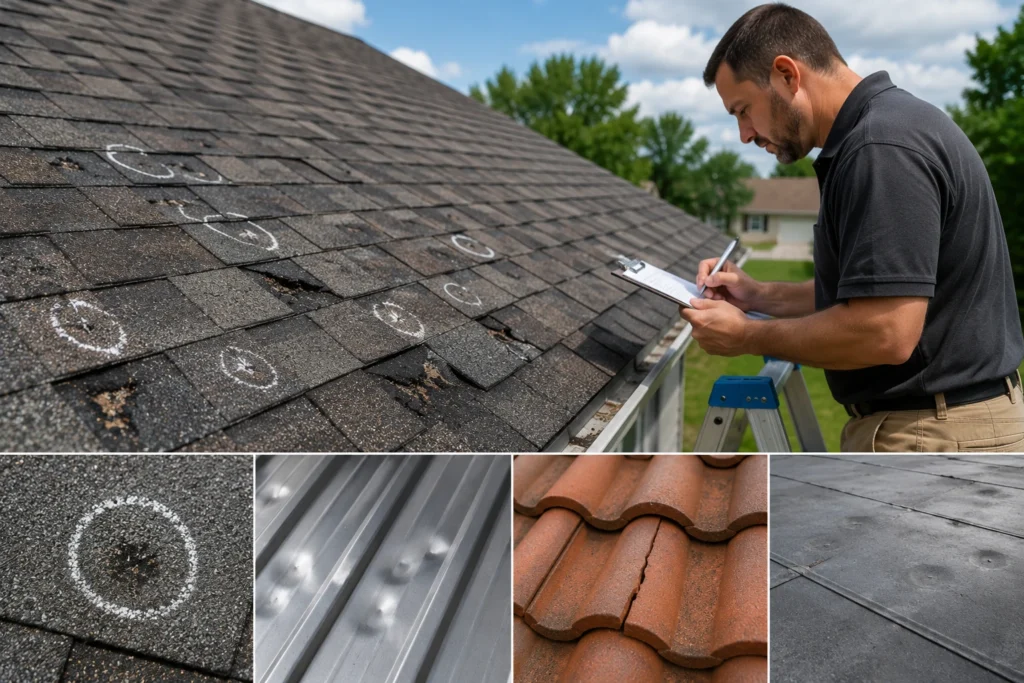
Simply finding damage isn’t enough. Insurance companies also need reasonable evidence that hail—not another source caused the problem. This distinction becomes especially important when roofs are older or have experienced years of weather exposure.
Looking for Fresh Impact Marks
Fresh hail impacts often have recognizable characteristics. Depending on the roofing material, adjusters may observe:
- Recently displaced granules
- Sharp-edged fractures
- Clean impact circles
- Bright metal exposed beneath paint
- Freshly cracked sealants
New damage generally appears different from aging surfaces that have been exposed to years of sunlight and oxidation.
Separating Storm Damage from Normal Aging
One of the biggest challenges during any inspection involves distinguishing storm damage from ordinary deterioration.
Roofs naturally experience:
- Thermal expansion
- UV degradation
- Wind exposure
- Moisture cycling
- Material fatigue
These conditions may produce cracking, curling, blistering, or granule loss even without hail. Consequently, adjusters compare the overall condition of the roof with the specific locations where impact damage appears. Random aging across an entire roof generally looks very different from concentrated storm impacts.
Previous Repairs
Repair history also matters. If sections of the roof have already been patched or replaced, adjusters evaluate whether the current damage relates to the recent hailstorm or older repairs. Previous invoices, contractor reports, and maintenance records often help establish a clearer timeline. The more organized the documentation, the easier it becomes to distinguish new storm damage from pre-existing conditions.
Weather Verification
Insurance companies rarely rely solely on visual inspections. Most carriers verify reported storm activity using weather databases, radar information, and hail tracking services.
These reports typically include:
| Weather Information | Purpose |
| Storm date | Confirms timing |
| Hail size estimates | Evaluates impact potential |
| Storm path | Confirms property exposure |
| Wind speed | Assesses additional damage |
| Radar history | Supports claim investigation |
This information provides valuable context but doesn’t replace the physical inspection.
Factors That Affect Claim Approval
Every hail claim is different. Even neighboring homes struck by the same storm may receive different claim outcomes because several factors influence the insurer’s decision.
Age of the Roof
Roof age doesn’t automatically eliminate coverage. However, older roofs may already contain deterioration unrelated to hail. Adjusters therefore assess whether the newly reported damage exceeds what would normally be expected from aging materials.
Roofing Material
Some roofing products withstand hail better than others.
For example:
| Roofing Material | Typical Hail Resistance |
| Asphalt shingles | Moderate |
| Architectural shingles | Higher |
| Metal roofing | High but may dent |
| Clay tile | Can crack under impact |
| Concrete tile | Durable but susceptible to fractures |
| Synthetic roofing | Varies by manufacturer |
Material performance affects both the inspection findings and repair recommendations.
Hailstone Size
The size of hail significantly influences potential damage.
Generally speaking:
- Pea-sized hail rarely causes major roof damage.
- Marble-sized hail may damage softer materials.
- Golf ball-sized hail frequently produces visible impacts.
- Baseball-sized hail can cause severe structural damage.
Larger hailstones carry substantially greater force, especially when combined with high winds.
Wind Direction
Wind changes how hail strikes a building. Instead of falling straight downward, hail often travels sideways during strong storms.
As a result, adjusters inspect:
- Windward walls
- Roof slopes facing the storm
- Window exposures
- Garage doors
- Upper siding
Damage patterns frequently reveal the direction from which the storm approached.
Overall Property Condition
Maintenance matters. A well-maintained roof often makes it easier to distinguish fresh storm damage from long-term deterioration. Conversely, deferred maintenance may complicate the evaluation because multiple issues overlap. For this reason, keeping maintenance records, inspection reports, and repair receipts can prove extremely valuable during the claims process.
Technology Insurance Companies Use to Evaluate Hail Damage
Modern claim investigations look very different than they did a decade ago. Today’s adjusters frequently combine traditional inspections with advanced technology to improve accuracy and consistency. Mentioned frequently by Robinson property owners after recent storms, these tools help insurers gather more objective evidence before making coverage decisions.
Drone Roof Inspections
Drones have become increasingly common. They provide high-resolution aerial imagery without requiring immediate access to steep or potentially unsafe roofs.
Benefits include:
- Faster inspections
- Comprehensive roof photographs
- Detailed documentation
- Safer evaluations
- Easier comparison over time
Drone imagery often supplements, rather than replaces, physical roof inspections.
High-Resolution Photography
Professional-grade cameras allow adjusters to capture close-up evidence of even minor impact damage. These images become part of the permanent claim file and may later be reviewed by supervisors, engineers, or other specialists if questions arise.
Moisture Detection Equipment
Visible damage doesn’t always tell the whole story. Moisture meters and infrared imaging devices can identify hidden water intrusion behind walls, beneath roofing materials, or inside insulation before stains become visible. Detecting moisture early may help prevent additional structural damage and supports a more comprehensive repair scope.
Digital Estimating Software
After completing the inspection, adjusters often prepare repair estimates using specialized software that applies standardized labor rates, material pricing, and repair procedures. Although these estimates provide a structured starting point, they may be revised if additional damage is discovered during repairs or if new documentation becomes available.
Why Some Hail Damage Claims Are Reduced or Denied
Receiving a lower settlement than expected or even a denial can be frustrating. However, understanding why these decisions occur provides valuable insight into how insurance companies evaluate hail damage and what property owners can do to strengthen future claims.
Wear and Tear Exclusions
Insurance policies generally cover sudden, accidental damage caused by a covered event. They are not intended to pay for deterioration that occurs naturally over time.
Examples of wear and tear include:
- Aging shingles
- Rusted flashing
- Faded siding
- Deteriorated sealants
- Long-term water damage
- Poor roof ventilation effects
If adjusters determine that normal aging contributed significantly to the damage, they may exclude those repairs from the settlement.
Insufficient Documentation
Documentation often determines how smoothly a claim progresses. Without clear evidence, insurers may struggle to verify when damage occurred or whether it resulted from the reported storm.
Helpful documentation includes:
- Date-stamped photographs
- Videos taken immediately after the storm
- Contractor inspection reports
- Maintenance records
- Emergency repair invoices
- Written communication with contractors
The stronger the documentation, the easier it becomes to support the claim.
Delayed Reporting
Time matters. Waiting weeks or months before reporting hail damage can complicate an investigation because additional weather events may alter the property’s condition. New damage may overlap with the original storm damage, making it more difficult to determine the true cause. Reporting a claim promptly allows adjusters to inspect conditions while evidence remains fresh.
Maintenance Problems
Insurance companies expect homeowners to take reasonable steps to maintain their property. For example, if an aging roof already contained leaks before the hailstorm, adjusters may conclude that some of the resulting interior damage wasn’t caused solely by the storm. Routine inspections and timely repairs reduce this uncertainty.
Disagreements Over the Cause
Not every crack or dent originates from hail. Tree branches, falling debris, construction activity, foot traffic, manufacturing defects, and previous storms can all produce similar signs of damage. When uncertainty exists, insurers may request additional inspections or expert opinions before finalizing the claim.
The Importance of Proper Documentation
Excellent documentation tells the story of the loss. Rather than relying on memory, organized records provide objective evidence that supports every stage of the claim.
Photograph Everything
Take photographs before moving debris whenever it is safe to do so.
Capture:
- Entire roof slopes from multiple angles
- Gutters and downspouts
- Siding
- Windows
- Outdoor HVAC equipment
- Detached structures
- Interior water stains
- Fallen tree limbs
- Hail accumulation
Wide-angle photos establish context, while close-up images preserve important details.
Record Storm Information
Keep a written record that includes:
| Information | Why It’s Helpful |
| Storm date | Establishes timeline |
| Approximate time | Supports weather verification |
| Hail size | Helps describe storm severity |
| Wind conditions | Explains damage patterns |
| Temporary repairs | Demonstrates mitigation efforts |
Simple notes made immediately after the storm often become valuable months later.
Save Every Receipt
Even temporary expenses matter.
Keep receipts for:
- Roof tarps
- Emergency repairs
- Debris removal
- Water extraction
- Temporary lodging, if applicable
- Contractor inspections
These records may support reimbursement under certain policy provisions.
Organize Communication
Maintain a dedicated claim folder containing:
- Emails
- Letters
- Inspection reports
- Claim numbers
- Estimates
- Policy documents
- Photographs
- Contractor proposals
Staying organized makes future conversations much more productive.
Common Mistakes Property Owners Make
Even strong claims can become more difficult because of avoidable mistakes.
Some of the most common include:
- Waiting too long before scheduling an inspection.
- Throwing away damaged materials before documentation.
- Repairing the roof without first notifying the insurance company.
- Assuming only roof damage matters.
- Ignoring gutters, siding, HVAC equipment, and fencing.
- Accepting the first estimate without carefully reviewing it.
- Failing to understand policy deductibles and exclusions.
Avoiding these mistakes doesn’t guarantee approval, but it certainly places property owners in a stronger position.
When to Consider a Second Inspection
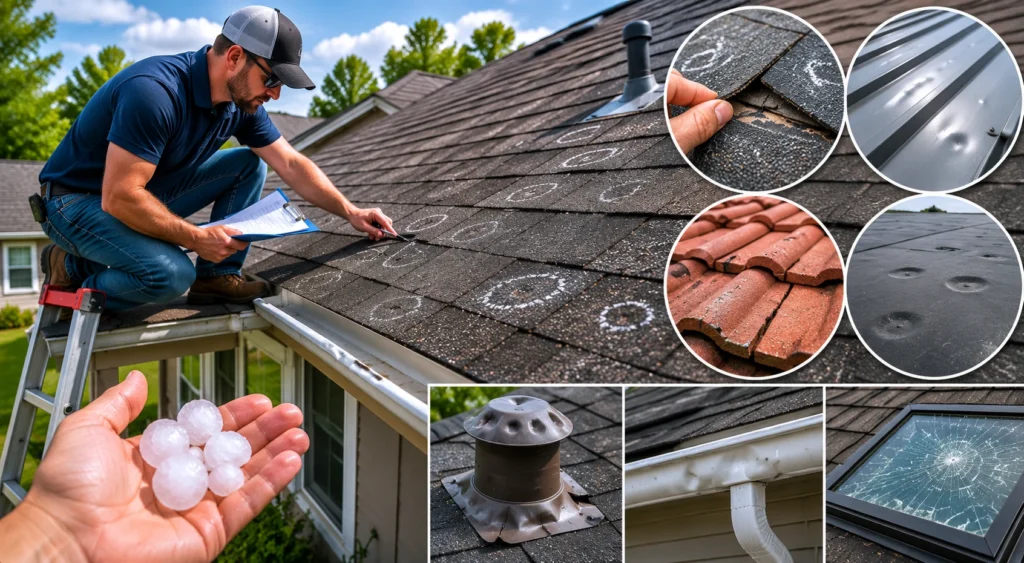
Sometimes the first inspection doesn’t answer every question. Requesting another evaluation may be reasonable under several circumstances.
Conflicting Contractor Opinions
If multiple roofing contractors identify damage that wasn’t included in the insurance estimate, obtaining additional documentation can help clarify the differences. Independent inspections often provide another perspective.
Settlement Appears Too Low
Repair costs occasionally exceed the original estimate.
This may happen because:
- Additional damage becomes visible.
- Material prices increase.
- Building code requirements apply.
- Certain repair items were omitted.
Reviewing the estimate line by line helps identify potential gaps.
Partial Replacement Concerns
Some roofs cannot be repaired effectively with isolated patchwork. Differences in material availability, color matching, or discontinued products may complicate partial replacements. Discussing these issues early helps prevent misunderstandings later.
Hidden Structural Damage
Not every problem appears during the initial inspection. Water intrusion beneath roofing materials may reveal:
- Rotten decking
- Damaged insulation
- Mold growth
- Structural deterioration
Additional inspections sometimes become necessary after repair work begins.
How a Public Adjuster Can Help During a Hail Damage Claim
Property owners occasionally encounter complex claims involving multiple structures, extensive damage, or disagreements over repair costs. In those situations, Home and Business Public Adjusters may assist by evaluating the loss from the policyholder’s perspective.
Their services commonly include:
- Reviewing insurance policy provisions
- Conducting independent property inspections
- Documenting damage thoroughly
- Preparing detailed repair estimates
- Organizing supporting evidence
- Communicating with the insurance company
- Assisting during claim negotiations
A public adjuster doesn’t determine coverage. Instead, they help present the claim as accurately and completely as possible using available documentation.
Tips to Strengthen Your Hail Damage Insurance Claim
Although every claim differs, several best practices consistently improve preparedness.
- Inspect your property as soon as conditions are safe.
- Photograph every affected area before repairs begin.
- Report damage promptly.
- Prevent additional damage through temporary protective measures.
- Maintain inspection and maintenance records.
- Save every invoice and receipt.
- Read your insurance policy carefully.
- Ask questions whenever estimate items are unclear.
- Keep written notes after every conversation regarding the claim.
Small organizational habits often make a significant difference throughout the adjustment process.
Frequently Overlooked Areas After a Hailstorm
Many inspections focus heavily on the roof. Nevertheless, hail can damage numerous other building components that deserve equal attention.
Commonly overlooked areas include:
- Roof flashing
- Skylights
- Solar panels
- Satellite dishes
- Outdoor HVAC condensers
- Detached garages
- Storage sheds
- Pergolas
- Deck railings
- Fences
- Gutters
- Downspouts
- Exterior lighting
- Mailboxes
- Pool equipment
A complete inspection should consider the entire property rather than a single structure.
Final Thoughts
Learning how insurance companies evaluate hail damage gives property owners a better understanding of what happens after a claim is filed. Rather than relying solely on visible dents or missing shingles, insurers examine the property’s overall condition, verify storm data, review policy language, document physical evidence, and estimate the reasonable cost of repairs. Every step contributes to the final claim decision.
Preparation makes a measurable difference. Prompt inspections, detailed photographs, organized records, and a clear understanding of your insurance policy can help reduce delays and support a more accurate evaluation. While no two claims are identical, knowing what adjusters look for allows you to approach the process with greater confidence and realistic expectations. For property owners in Robinson, taking a proactive approach after a hailstorm can help preserve critical evidence before weather, time, or temporary repairs change the condition of the property. Whether the damage appears minor or extensive, acting quickly and keeping thorough documentation are practical steps that support a well-prepared insurance claim and a smoother recovery process.
FAQs
Insurance companies inspect the roof, siding, gutters, windows, and other exterior components to determine whether the damage was caused by hail and whether it’s covered by the policy.
The deadline varies by policy and state law, so review your insurance policy and report hail damage as soon as possible after the storm.
Yes. Hail can bruise shingles, damage flashing, or weaken roofing materials without creating obvious signs visible from the ground.
It depends on your policy. Some policies exclude cosmetic damage and only cover functional damage that affects the property’s ability to prevent water intrusion.
Claims may be denied due to wear and tear, insufficient documentation, delayed reporting, maintenance issues, or a determination that the damage wasn’t caused by hail.
Absolutely. Clear photographs and videos taken immediately after the storm provide valuable evidence that supports your insurance claim.
Yes. Older roofs may have existing deterioration, which insurance companies consider when determining whether the reported damage resulted from the hailstorm.
Yes. Some damage may be subtle or hidden, so additional inspections or professional evaluations may identify issues that weren’t initially documented.
Document the damage, make temporary repairs to prevent further loss if necessary, gather maintenance records, and be prepared to point out areas of concern during the inspection.
A public adjuster represents the policyholder by documenting damage, reviewing the policy, preparing estimates, and helping negotiate a fair claim settlement.