
Roof damage creates difficult decisions. A storm can pass through a neighborhood in minutes, but the insurance process that follows can continue for weeks or even months. One of the biggest challenges homeowners face is understanding whether an insurance company should repair only the damaged portion of a roof or approve a complete replacement when matching materials are unavailable. This is why understanding matching laws for roof replacement in Robinson, TX is so important for property owners who want to protect their homes, investments, and insurance claims.
A roof is not simply a collection of shingles placed over a structure. It is a complete protective system designed to shield the home from rain, wind, heat, and severe weather. It also contributes to the overall appearance and value of the property. When a storm damages one section of the roof, replacing only that area may seem like the easiest solution. However, problems can arise when new materials look noticeably different from the existing roof.
This situation creates a common insurance dispute. The insurance company may believe a partial repair satisfies the policy requirements, while the homeowner may believe the roof should be restored to a consistent appearance. Both sides may have different interpretations of what restoration means, which is why proper documentation and a clear understanding of the policy are critical. For homeowners dealing with hailstorms, wind events, or other covered losses, the roof replacement process involves much more than simply finding a contractor. It requires understanding coverage, evaluating damage, gathering evidence, and knowing how matching issues can affect the outcome of a claim.
Understanding Roof Matching in Insurance Claims
Roof matching refers to replacing damaged roofing materials with new materials that are reasonably similar in appearance, quality, size, color, and style compared to the existing roof. The goal is to restore the property as close as possible to its condition before the damage occurred. At first glance, matching may appear straightforward. If a shingle is damaged, simply find another shingle and replace it. In reality, roofing materials are constantly changing. Manufacturers update product lines, colors are discontinued, and older materials become harder to locate.
Even when a similar product is available, a perfect match may not exist.
A roof installed five or ten years ago has experienced:
- Continuous sunlight exposure.
- Temperature changes.
- Rain and moisture.
- Wind exposure.
- Natural aging.
These factors change the appearance of roofing materials over time. A new shingle installed beside older shingles may have a different shade, texture, or finish.
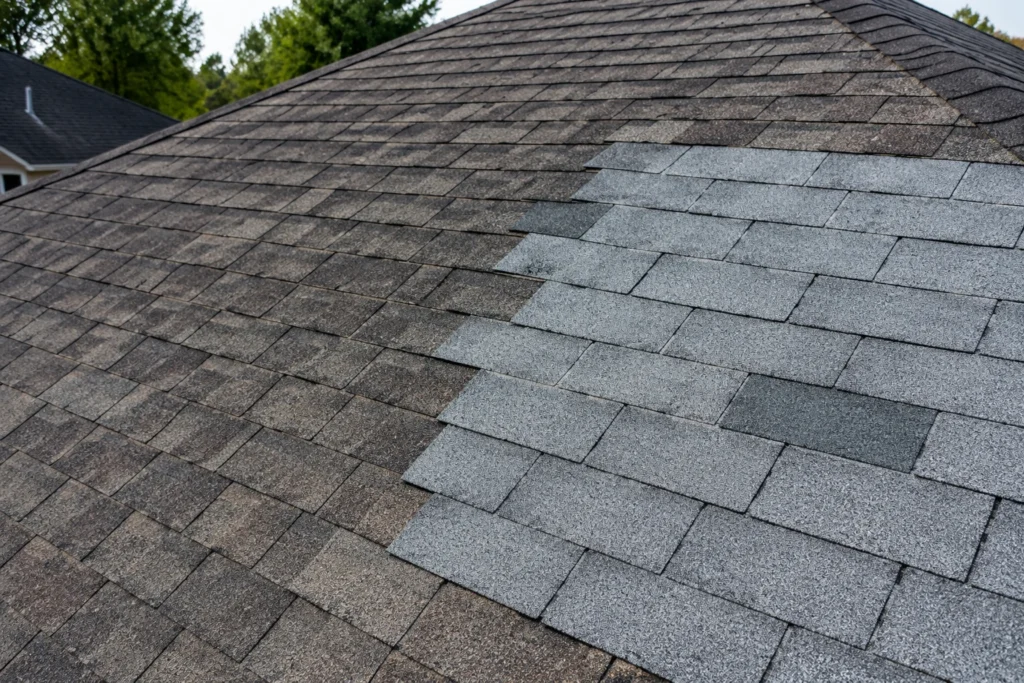
For example, imagine a homeowner has a dark gray architectural shingle roof installed several years ago. After a hailstorm, one side of the roof requires replacement. The original manufacturer no longer produces that exact shingle. A contractor installs the closest available option, but the repaired area appears darker and more noticeable from the street.
Technically, the roof has been repaired. However, the homeowner may argue that the roof has not truly been restored. This is where matching laws for roof replacement in Robinson, TX become an important consideration during insurance discussions.
Why Matching Matters After Roof Damage
Many homeowners initially focus on one question: “Will the roof leak after repairs?”
That is an important concern, but it is not the only issue. A properly handled insurance claim should consider both function and appearance. A roof that prevents water intrusion but has a significant visible mismatch may not fully represent the condition of the property before the loss.
Appearance matters because a roof affects:
- Neighborhood appearance.
- Home value.
- Buyer perception.
- Future inspections.
- Overall property maintenance expectations.
A homeowner who plans to sell the property may encounter questions if a roof has clearly different sections. Potential buyers may wonder whether the roof experienced repeated repairs, whether additional damage exists, or whether future replacement costs are approaching.
Matching concerns can also affect homeowners emotionally. After paying insurance premiums for years, many property owners expect their home to be restored properly after a covered event. Seeing a noticeably different roof after repairs can create frustration and disappointment. The purpose of insurance is generally to restore covered damage according to the terms of the policy. It is not intended to provide an unnecessary upgrade, but it also should not leave a homeowner with a repair that does not reasonably restore the damaged property.
What Texas Homeowners Should Know About Roof Matching Requirements
Texas homeowners often search for a specific “matching law” that automatically requires insurance companies to replace an entire roof when materials do not match. However, roof matching claims are not always determined by one simple rule.
Instead, the outcome usually depends on several factors, including:
- The exact wording of the insurance policy.
- Coverage type.
- Roof replacement provisions.
- Available materials.
- The extent of damage.
- Supporting documentation.
For additional background on complex concepts related to insurance and risk management, homeowners can review the broader concept of Actuarial science/o
‘, which focuses on analyzing financial risks and uncertainty through mathematics and statistics. This field influences how insurance companies evaluate exposure, pricing, and potential losses.
In other words, two homeowners with similar storm damage may receive different claim outcomes because their insurance policies are different. One homeowner may have coverage that provides broader protection for restoring damaged property. Another homeowner may have policy limitations that affect what the insurance company must pay. This is why reading the policy carefully is essential.
Important sections to review include:
| Policy Section | Why It Matters |
| Replacement Cost Coverage | Determines whether the policy may pay for replacement rather than only depreciated value |
| Actual Cash Value Coverage | May reduce payment based on age and depreciation |
| Loss Settlement Provisions | Explains how damaged property is valued |
| Exclusions | Lists situations where coverage may be limited |
| Endorsements | May add additional protections or restrictions |
Homeowners should avoid assuming that a verbal explanation from an insurance representative tells the entire story. The written policy controls the claim.
Understanding Insurance Policy Language
Insurance policies often contain detailed language that can feel overwhelming. Many homeowners receive a policy document filled with terms that are difficult to interpret without experience. However, understanding a few common concepts can make a major difference.
Replacement Cost
Replacement cost coverage generally focuses on restoring damaged property using comparable materials without subtracting depreciation, subject to policy terms and limits. For example, if a roof is damaged by hail and requires replacement, replacement cost coverage may provide payment based on the cost to complete the approved repairs.
Actual Cash Value
Actual cash value considers depreciation. A roof that is fifteen years old may not receive the same payment amount as a brand-new roof because the insurance company considers age and expected lifespan.
Matching Endorsements
Some policies include additional provisions addressing matching concerns. These endorsements may provide stronger support when damaged materials cannot reasonably be matched. However, not every homeowner has the same coverage. That is why reviewing policy details before beginning repairs is one of the most important steps.
How Insurance Companies Evaluate Roof Replacement Requests
Insurance companies typically evaluate roof claims based on the damage directly caused by a covered event.
During the review process, adjusters may consider:
- Where damage occurred.
- The severity of the damage.
- Whether repairs are possible.
- Whether replacement materials are available.
- The condition and age of the roof.
- Policy limitations.
From the insurance company’s perspective, approving only necessary repairs may help control claim costs while following the policy requirements. From the homeowner’s perspective, the concern is whether those repairs actually restore the property. This difference in perspective is where many disputes begin.
A homeowner may see a roof with obvious color differences and believe the repair is incomplete. The insurance company may see a repaired area that meets the technical requirements of the policy. Neither side can rely only on opinions. Documentation becomes the deciding factor.
Common Roof Matching Problems After Storm Damage
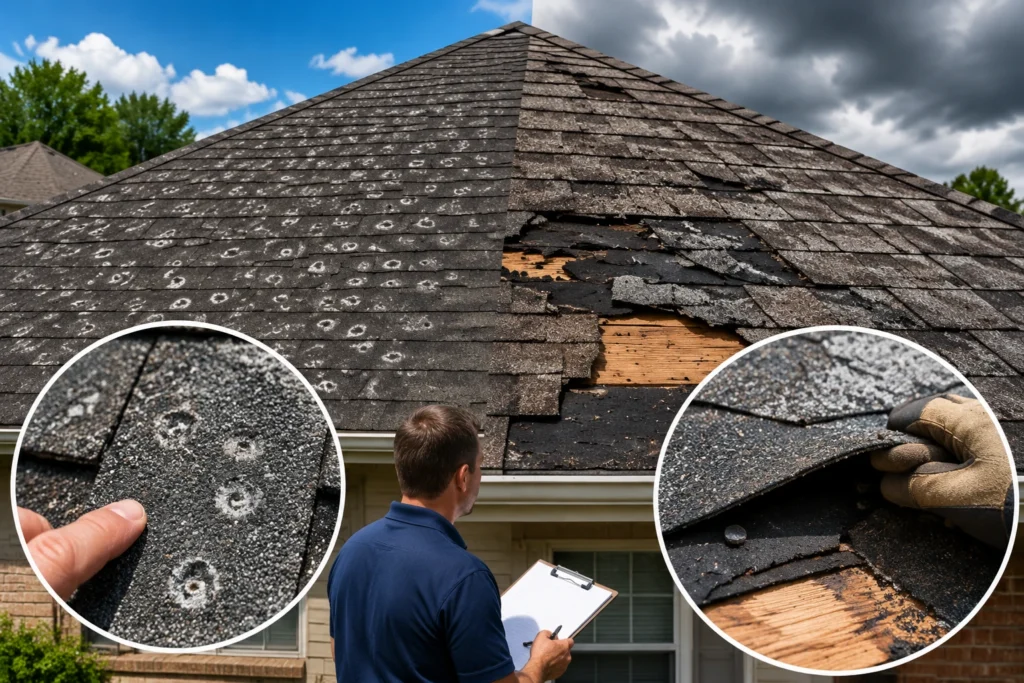
Severe weather creates many situations where roof matching becomes difficult. In areas affected by hailstorms, homeowners frequently discover that damage extends beyond what was initially visible. Some common matching challenges include:
Discontinued Shingles
Roof manufacturers regularly replace older products with updated designs. A shingle installed years ago may no longer be produced. When that happens, contractors often search for remaining inventory or recommend the closest available alternative.
However, “similar” does not always mean “matching.”
A homeowner may notice differences in:
- Color.
- Shape.
- Texture.
- Reflective appearance.
- Pattern.
If the original material cannot be found, the homeowner may need additional documentation showing why a partial repair would not create a reasonable match.
Faded Roofing Materials
Time changes roofing materials. Even high-quality shingles experience natural aging. Sun exposure causes colors to fade, and weather conditions gradually alter the appearance of the roof.
This creates a common challenge. A new replacement shingle may technically be the same color name and product line but still appear different because the existing roof has aged. A contractor can help document these differences through photographs and professional observations.
Partial Roof Replacement Issues
One of the most common disputes involves partial replacement. An insurance company may approve replacement of only the damaged slope. However, the homeowner may believe the remaining roof sections create an inconsistent appearance.
Questions often include:
- Can the damaged section be reasonably matched?
- Will the repaired area stand out?
- Does the policy address appearance concerns?
- Would replacement of additional areas be necessary to restore the property?
These questions are why understanding matching laws for roof replacement in Robinson, TX is valuable before accepting a claim settlement.
Cosmetic vs Functional Hail Damage
Hail damage is one of the most common reasons homeowners face roof replacement disputes. However, not all hail damage appears the same, and not every type of damage creates the same insurance concerns. When reviewing a roof after a storm, one of the most important distinctions is Cosmetic vs Functional Hail Damage.
Functional hail damage affects the performance, durability, or protective ability of the roofing system. Examples may include cracked shingles, exposed roofing layers, punctures, missing granules, weakened materials, or damage that increases the risk of water intrusion. Cosmetic damage is generally related to appearance. It may include dents, marks, or visible changes that do not immediately affect how the roof performs. However, cosmetic concerns can still become important when matching issues are involved.
For example, a homeowner may have a roof with hail impacts across multiple sections. The roof may still prevent leaks, but the damaged areas may have visible marks that cannot be repaired without replacing materials. If those materials are also discontinued, the homeowner may face a complicated discussion about whether replacement should extend beyond only the visibly affected areas. This is why roof inspections should not focus only on whether water is currently entering the home. Some damage develops slowly. Small issues today can become expensive repairs later.
A detailed inspection should evaluate:
- The condition of shingles.
- The amount of granule loss.
- Soft spots or weakened areas.
- Flashing and roof accessories.
- Potential future risks.
A complete evaluation gives homeowners stronger information when discussing matching laws for roof replacement in Robinson, TX with their insurance provider.
Evidence Needed to Support a Roof Matching Claim
Insurance claims are decided based on evidence. A homeowner’s opinion that a roof does not match may be understandable, but documentation is what strengthens the argument. A successful roof matching claim usually requires multiple forms of support.
Professional Roof Inspection
The first step is obtaining a detailed inspection.
A qualified roofing professional can identify:
- The location of storm damage.
- The type of roofing materials installed.
- Whether repairs are possible.
- Whether replacement materials are available.
- Whether a partial repair would create visible differences.
The inspection report should be detailed rather than general. Statements such as “roof is damaged” provide limited value. Strong documentation explains what happened, where the damage exists, and why a specific repair approach is recommended.
For example, a stronger report may state that the existing shingles are discontinued, that replacement materials cannot be located, and that replacing only one roof section would create a noticeable mismatch. Specific details create a stronger claim record.
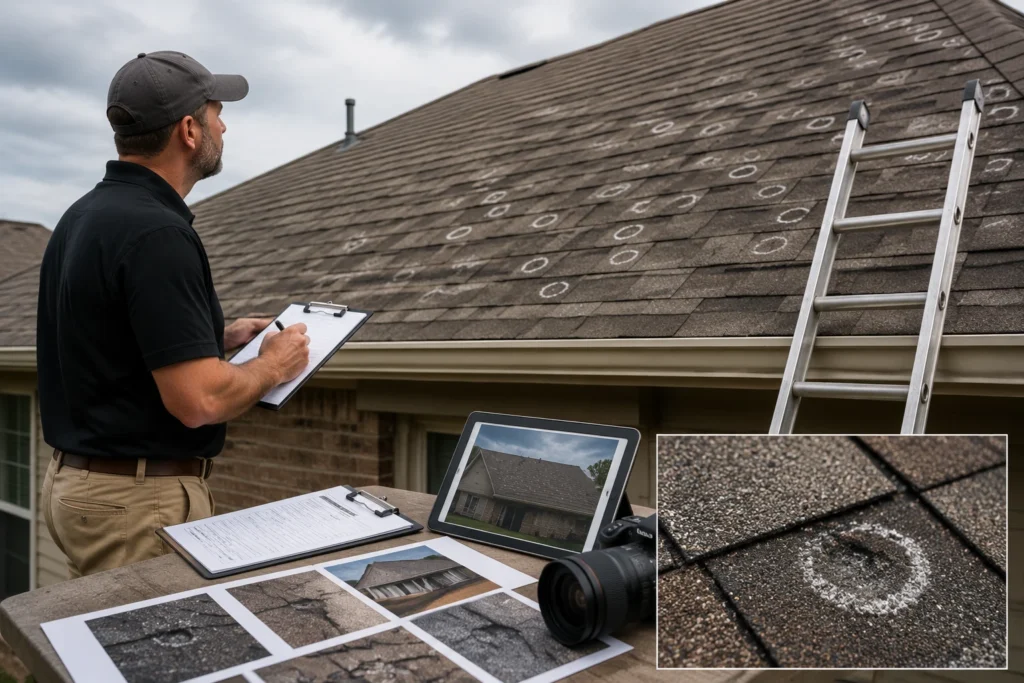
Photographs and Videos
Visual evidence is one of the most valuable tools during a roof insurance claim.
Homeowners should document:
- The entire roof surface.
- Close-up views of damaged areas.
- Existing roof color and texture.
- Areas where new materials would connect with old materials.
- Interior signs of possible water damage.
Photos should be clear and organized. Random pictures taken quickly after a storm may not tell the complete story.
A useful approach is creating a timeline:
- Photograph the roof immediately after the storm.
- Document temporary repairs.
- Save contractor inspection images.
- Keep photographs from insurance inspections.
- Compare proposed repair areas.
This creates a complete record of the claim process.
Contractor Statements
Roofing contractors can provide important information about material availability and repair limitations.
A contractor may explain:
- Whether the original shingle is still manufactured.
- Whether suppliers have remaining inventory.
- Whether a substitute material is available.
- Whether replacement sections would appear different.
- Whether full replacement is recommended.
The contractor’s role is not to determine insurance coverage. Instead, they provide technical information about the roofing system. That information can help homeowners and insurance professionals better understand the practical challenges involved.
Manufacturer Information
In some cases, proving that materials are unavailable requires additional research.
Homeowners may benefit from:
- Manufacturer product records.
- Supplier confirmations.
- Discontinued product notices.
- Documentation showing replacement limitations.
This type of evidence can demonstrate that the matching issue is not simply a preference. It is a practical limitation caused by material availability.
The Role of a Public Adjuster in Roof Matching Disputes
Roof insurance claims can become complicated when disagreements involve policy interpretation, repair scope, and replacement costs. A public adjuster represents the policyholder during the claim process. Their role is to help homeowners prepare, document, and present their claim from the property owner’s perspective.
A public adjuster does not decide whether coverage exists. The insurance company ultimately makes coverage decisions based on the policy. However, a public adjuster can help ensure the claim information is complete and properly supported.
Their services may include:
- Reviewing insurance policy language.
- Inspecting property damage.
- Creating detailed damage assessments.
- Preparing repair estimates.
- Organizing claim documentation.
- Communicating with insurance representatives.
- Helping explain disputed claim items.
For homeowners researching matching laws for roof replacement in Robinson, TX, professional assistance can be especially valuable when the insurance estimate only includes partial repairs that may not restore the roof’s previous appearance.
Reviewing the Insurance Policy Before Moving Forward
Many homeowners begin negotiating a claim before fully understanding their coverage. This can create problems. Before agreeing to repairs or signing claim documents, homeowners should review:
Coverage Limits
Understand how much coverage applies to the roof and whether additional limitations exist.
Roof Age Provisions
Some policies include special rules for older roofs. These provisions may affect payment amounts.
Deductibles
A homeowner should understand how much they are responsible for paying before insurance funds apply.
Exclusions
Some policies contain exclusions or restrictions that may affect specific types of damage.
Settlement Terms
Review how the insurance company calculates payments and whether depreciation applies. Taking time to understand these details can prevent unexpected costs later.
Steps Homeowners Should Take During a Roof Matching Dispute
A roof claim dispute can feel overwhelming. However, following a structured process can make the situation easier to manage.
Step One: Document Everything
Before repairs begin, collect evidence. Take photographs. Save emails. Keep inspection reports. Record conversations with contractors and insurance representatives. Organization matters. A complete claim file makes it easier to explain the situation clearly.
Step Two: Prevent Additional Damage
Most insurance policies require homeowners to take reasonable steps to prevent further damage.
This may include:
- Covering exposed areas.
- Placing temporary protection over leaks.
- Removing water-damaged materials.
- Protecting interior belongings.
However, avoid permanent repairs before the damage has been properly documented. Replacing a damaged roof too quickly can make it harder to prove the original condition.
Step Three: Obtain Independent Opinions
Homeowners are not required to rely only on one inspection. A second opinion may provide additional information about:
- Damage severity.
- Repair feasibility.
- Material availability.
- Matching concerns.
Different professionals may notice different details.
Step Four: Request Written Explanations
If an insurance company denies a full replacement request, ask for the reasoning in writing. A written explanation helps homeowners understand:
- What the insurer approved.
- What was denied.
- Which policy provisions were used.
- What additional information may be needed.
Clear communication reduces confusion.
Common Mistakes Homeowners Make During Roof Claims
Many roof claim problems are avoidable. Unfortunately, homeowners often make decisions quickly because they are dealing with stress after a storm. Here are common mistakes to avoid.
Accepting the First Estimate Without Review
The first estimate may not include every necessary repair.
Initial assessments can overlook:
- Hidden damage.
- Matching problems.
- Additional affected areas.
- Long-term repair concerns.
Reviewing the estimate carefully is important before moving forward.
Focusing Only on Immediate Repairs
A quick repair may solve a short-term issue but create future problems. Homeowners should consider whether the proposed repair actually restores the property properly.
Choosing Contractors Based Only on Promises
After major storms, homeowners may receive offers from contractors promising fast replacements or guaranteed insurance approvals.
Be cautious.
A reliable contractor should provide:
- Written estimates.
- Clear explanations.
- Professional documentation.
- Realistic expectations.
Failing to Keep Records
Insurance claims involve many conversations and documents.
Save:
- Emails.
- Letters.
- Estimates.
- Receipts.
- Inspection reports.
- Photographs.
A well-organized file can make a significant difference.
Roof Replacement Matching Checklist for Robinson Homeowners
When dealing with a possible roof matching dispute, homeowners can use this checklist:
✅ Inspect the roof after storm damage
✅ Take detailed photographs and videos
✅ Identify the current roofing material
✅ Determine whether replacement materials are available
✅ Request written contractor recommendations
✅ Review insurance policy language
✅ Understand repair versus replacement options
✅ Keep all claim documents organized
✅ Ask for written explanations from insurers
✅ Seek professional claim assistance if needed
Following these steps helps homeowners approach the insurance process with better preparation.
Protecting Your Home and Your Roof Replacement Claim
Roof replacement decisions are rarely as simple as they first appear. A storm may damage only one section of a roof, but the repair process can involve questions about materials, appearance, policy language, and long-term protection. For homeowners dealing with storm damage, understanding matching laws for roof replacement in Robinson, TX provides an important advantage. It helps property owners ask better questions, gather stronger evidence, and recognize when a proposed repair may not fully address the restoration needs of the home.
The most successful claims are built on preparation. They combine accurate inspections, detailed documentation, and a clear understanding of insurance responsibilities. A homeowner does not need to navigate every challenge alone. By working with qualified roofing professionals, carefully reviewing policy details, and seeking assistance when disputes become complicated, property owners can make informed decisions about their recovery.
A roof is a major investment. Protecting it requires more than fixing visible damage. It requires making sure the final result restores the home properly, both functionally and visually. For residents of Robinson, understanding the roof replacement process before accepting a settlement or beginning repairs can help protect one of their most valuable assets their home.
FAQs
Texas does not have a single law that automatically requires full roof replacement when shingles cannot be matched. Coverage depends on the insurance policy language, endorsements, and claim circumstances.
Yes, an insurer may approve partial repairs if they believe the policy only covers the damaged areas. However, homeowners can challenge the decision with documentation showing why matching or proper restoration is not possible.
A roof matching issue occurs when replacement materials cannot reasonably match the existing roof in color, style, quality, or appearance.
Not always. The extent of damage, roof condition, material availability, and insurance policy terms determine whether repair or replacement is appropriate.
Homeowners can provide contractor statements, manufacturer information, photographs, and documentation showing that the original roofing materials are discontinued or unavailable.
Homeowners should document damage before permanent repairs whenever possible. Temporary repairs to prevent additional damage may be necessary, but evidence should be preserved.
Yes, a public adjuster can help review policy details, document damage, prepare estimates, and communicate claim information from the homeowner’s perspective.
Cosmetic hail damage affects appearance, while functional hail damage affects the roof’s ability to protect the property. Both may be important depending on the insurance policy and claim details.
Roofing materials naturally change over time due to sunlight, weather exposure, and aging. Even the same product line may appear different years after installation.
Homeowners should review their policy, gather additional documentation, obtain professional opinions, and consider assistance from a qualified claim professional if needed.