
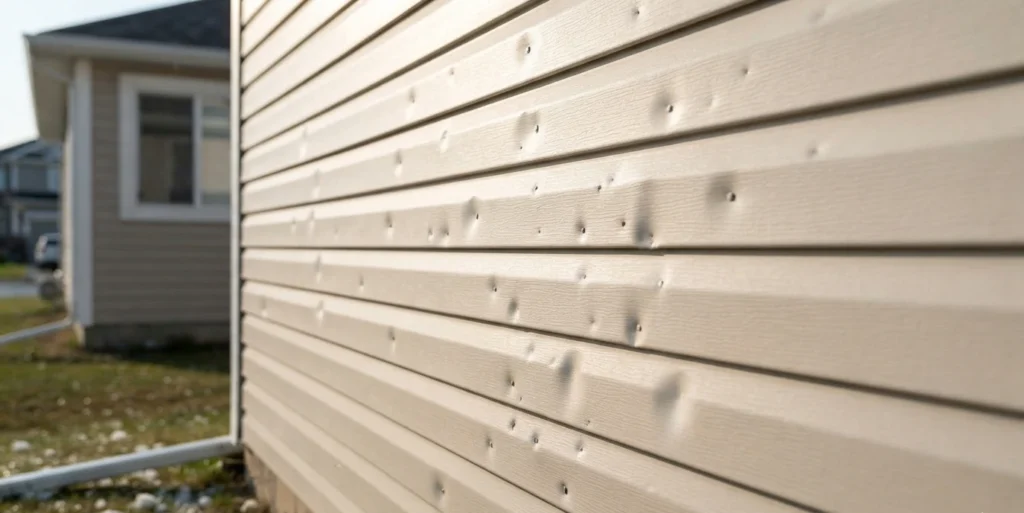
A severe hailstorm can leave behind more than a damaged yard or a few broken branches. For many homeowners, the exterior of the house takes the biggest hit. Aluminum siding is especially vulnerable because hail impacts can create dents, cracks, paint damage, and hidden problems that may not be immediately visible. Understanding aluminum siding hail damage insurance is essential when deciding how to document damage, file a claim, and protect your property investment.
Hail damage claims often become complicated because insurance companies look closely at the cause, severity, and timing of the damage. A homeowner may see obvious dents across siding panels, while an insurance representative may evaluate the same damage differently. The difference often comes down to documentation, policy details, and the quality of the inspection.
That is why preparation matters. A strong claim is not built after the insurance company makes an offer. It begins immediately after the storm. Taking photos, understanding your policy, and working with experienced professionals can help homeowners approach the process with confidence.
For homeowners in Robinson, storm damage can happen quickly and without warning. When hail strikes, the priority should be protecting the property first, then creating a clear record of what happened. The more organized the evidence, the easier it becomes to explain the extent of the loss.
Understanding Aluminum Siding and Why Hail Causes Damage
Aluminum siding became popular among homeowners because it offers durability, low maintenance, and resistance to common outdoor conditions. Unlike some heavier materials, aluminum is lightweight and flexible. However, that flexibility also makes it susceptible to impact damage from hailstones.
When hail falls during a strong storm, the force of impact can leave small depressions throughout the siding surface. Larger hailstones can create deeper dents or even damage the protective coating that helps prevent corrosion.
Common hail damage to aluminum siding includes:
- Round or irregular dents across panels
- Chipped or cracked exterior paint
- Scratches exposing bare aluminum
- Bent edges or warped sections
- Loose siding panels
- Water entry points caused by damaged areas
While some homeowners notice damage immediately, other problems may appear months later. Small cracks or weakened areas can allow moisture behind the siding, potentially leading to additional repairs.
A professional inspection is valuable because hail damage is not always easy to identify from ground level. Shadows, siding color, weather conditions, and the location of the impact can make damage difficult to see.
Why Aluminum Siding Damage Can Be Difficult to Identify
One of the biggest challenges with aluminum siding hail damage is that appearance does not always tell the complete story.
A homeowner might walk around the property after a storm and see only minor marks. However, a closer inspection may reveal dozens of impact points across multiple walls. In some cases, damage is concentrated on one side of the home because wind direction affects how hail strikes the structure.
Insurance evaluations often depend on evidence. A few unclear photographs may not fully represent the damage. Detailed documentation provides a stronger picture of what occurred.
Homeowners should inspect:
| Area | What to Look For |
| Exterior walls | Dents, cracks, scratches, missing paint |
| Corners and edges | Bent panels or separation |
| Around windows | Impact marks and damaged trim |
| Gutters and downspouts | Dents that confirm hail intensity |
| Outdoor equipment | Damage that supports storm timing |
It is also important to remember that siding damage is not only about appearance. The exterior covering of a home helps protect against moisture, wind, and environmental exposure.
According to the concept of Anemophily, natural forces such as wind can influence how outdoor elements move and interact with structures. Understanding how environmental forces behave can help explain why hail driven by strong winds may create uneven patterns of damage across a property. More information about this complex natural process can be found through Anemophily – Wikipedia.
Does Insurance Cover Aluminum Siding Hail Damage?
One of the most common questions homeowners ask after a storm is whether their insurance will pay for siding repairs or replacement.
In many cases, homeowners insurance may cover hail damage because hail is typically considered a sudden weather event. However, coverage depends on the specific terms written in the policy.
Several factors influence whether an aluminum siding hail damage insurance claim is approved:
- Whether the policy was active when the storm occurred
- Whether hail is included as a covered cause of loss
- The amount of the deductible
- Whether exclusions apply
- Whether the damage is considered cosmetic or functional
- Whether the homeowner reported the claim within the required timeframe
Insurance policies are not identical. Two homeowners with similar damage may receive different outcomes because their coverage terms are different.
Before filing a claim, homeowners should review important sections of their policy, including:
- Coverage limits
- Deductible amounts
- Replacement cost provisions
- Actual cash value calculations
- Cosmetic damage limitations
- Claim reporting deadlines
A homeowner should avoid assuming that visible damage automatically guarantees payment. Insurance claims are determined by policy language and supporting evidence.
How Insurance Companies Evaluate Aluminum Siding Claims
After a claim is submitted, the insurance company usually sends an adjuster to inspect the property. This inspection plays a major role in determining how much damage is recognized.
The insurance adjuster may examine:
- The number of damaged siding panels
- The size and depth of dents
- Whether repairs are possible
- The age and condition of the siding
- Whether replacement materials are available
However, homeowners should remember that an insurance adjuster works for the insurance company. Their responsibility is to evaluate the claim according to the insurer’s guidelines.
A public adjuster represents the homeowner’s interests. Their role is to help document the damage, prepare estimates, and communicate with the insurance company throughout the claim process.
For many homeowners, this support becomes especially helpful when damage involves large exterior areas or when the initial settlement does not appear to reflect the true repair cost.
Common Types of Hail Damage Found on Aluminum Siding
Not every hail impact creates the same type of problem. Some damage affects appearance, while other damage can reduce the siding’s ability to protect the home.
Cosmetic Damage
Cosmetic damage usually refers to marks that affect the appearance of siding without immediately affecting performance. Small dents are a common example.
However, homeowners should not automatically dismiss cosmetic issues. Widespread dents can reduce curb appeal and may affect future resale value.
Functional Damage
Functional damage is more serious because it affects how the siding performs.
Examples include:
- Cracked siding panels
- Open seams between panels
- Damaged protective coatings
- Loose sections
- Moisture entry risks
Understanding Cosmetic vs Functional Hail Damage helps homeowners explain why certain damage should not be overlooked during an insurance evaluation.
Hidden Damage Behind Siding Panels
Some problems are not visible from the outside. Water intrusion, weakened attachment points, or damaged materials underneath the siding may require further inspection.
A detailed evaluation helps determine whether repairs will solve the problem or whether replacement is the better long-term option.
Steps to Take After Discovering Aluminum Siding Hail Damage
The actions taken immediately after discovering hail damage can influence the outcome of an insurance claim. Quick decisions, however, should still be organized decisions.
Document Everything
Start by creating a complete record.
Take photographs of:
- Every damaged wall section
- Close-up views of dents
- Damaged trim and accessories
- Other storm-related damage around the property
Videos can also help because they show the overall condition of the home.
Write down:
- The date the damage was discovered
- The suspected storm date
- Weather conditions
- Areas affected
This information creates a timeline that supports your claim.
Prevent Further Damage
Insurance policies often require homeowners to take reasonable steps to prevent additional damage.
Temporary actions may include:
- Covering openings
- Protecting exposed areas
- Removing dangerous debris
- Scheduling inspections
Avoid making permanent repairs before the damage has been properly documented. Replacing siding panels too quickly may make it harder to prove the original condition.
Schedule a Professional Inspection
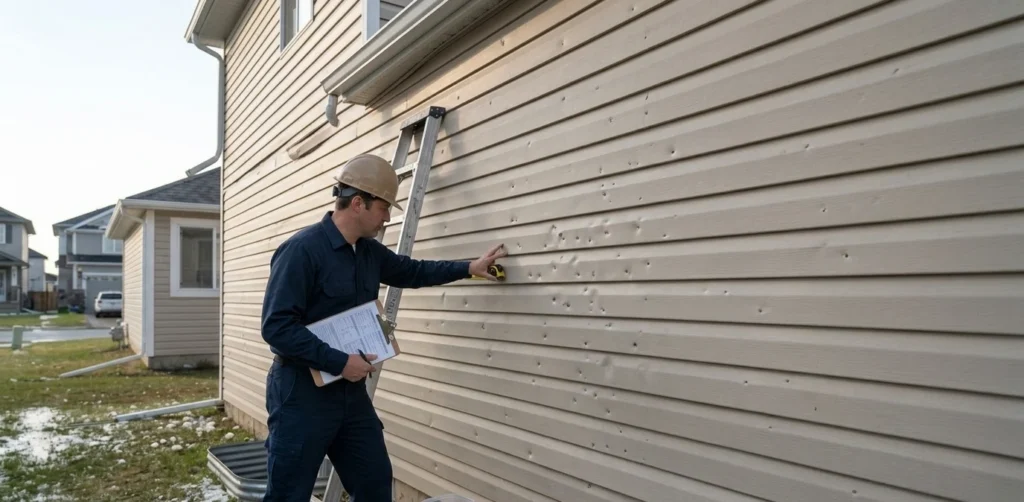
A trained professional can identify damage that an untrained eye may miss.
A thorough inspection should include:
- Exterior siding assessment
- Damage measurements
- Photos
- Repair recommendations
- Estimated costs
For homeowners managing aluminum siding hail damage insurance claims, detailed documentation can make a significant difference during negotiations.
Reviewing and Filing an Aluminum Siding Hail Damage Insurance Claim Properly

After documenting the damage and completing an inspection, the next step is preparing the claim correctly. Many homeowners focus only on submitting a claim quickly, but accuracy matters just as much as speed.
A well-prepared claim should clearly explain:
- When the storm occurred
- What areas of the home were damaged
- The type of damage found
- The estimated cost of repairs
- Why the damage requires attention
Insurance companies handle many claims after major storms. A claim supported by clear evidence is easier to evaluate than one based on general statements or limited photographs.
Before submitting paperwork, homeowners should organize all supporting documents in one place. This may include inspection reports, photographs, contractor estimates, receipts for temporary repairs, and communication records with the insurance company.
For homeowners in Robinson, having organized information available can help prevent unnecessary delays during the claims process. Storm recovery is already stressful, and proper preparation can make communication with insurance representatives much smoother.
Why Some Aluminum Siding Hail Damage Claims Are Denied
Not every hail damage claim receives immediate approval. Sometimes insurance companies deny claims because they believe the damage does not meet policy requirements.
Common reasons for claim denials include:
Pre-Existing Damage
Insurance generally covers damage caused by a specific covered event. If siding already had dents, deterioration, or damage before the hailstorm, the insurer may argue that the issue was not caused by the recent storm.
This is why storm-related evidence matters. Photos, maintenance records, and inspection reports can help establish the condition of the property.
Late Reporting
Most insurance policies require homeowners to report damage within a certain timeframe. Waiting too long may create questions about when the damage occurred.
Even if a homeowner discovers damage weeks later, reporting it quickly is still important. Explain when the damage was discovered and provide any available evidence connecting it to the storm.
Insufficient Documentation
A claim supported by only a few pictures may not fully represent the extent of the damage.
Strong documentation should show:
- The entire damaged area
- Close-up views of impact marks
- The relationship between damage and the storm event
- Repair requirements
Policy Exclusions
Some policies include limitations regarding certain types of siding damage. For example, a policy may have specific language regarding cosmetic damage or matching materials.
Understanding these details before accepting a settlement can help homeowners make better decisions.
What to Do After an Aluminum Siding Hail Damage Claim Is Denied
A denied claim does not always mean the process is over.
Homeowners should carefully review the denial letter and understand the reason behind the decision. Insurance companies are required to explain why coverage was not approved.
After reviewing the denial, homeowners may consider:
- Requesting a detailed explanation
- Providing additional documentation
- Obtaining another professional inspection
- Reviewing policy language
- Seeking assistance from a public adjuster
A second evaluation can sometimes uncover damage or coverage details that were previously overlooked.
The goal is not to create conflict with the insurance company. The goal is to make sure the claim accurately represents the damage and follows the terms of the policy.
The Role of a Public Adjuster in Aluminum Siding Hail Damage Claims
A public adjuster can provide valuable support when homeowners face complicated property damage claims.
Unlike an insurance company adjuster, a public adjuster works directly for the homeowner. Their focus is helping document the loss and pursue a fair settlement based on the policy.
A public adjuster may assist with:
- Inspecting the property
- Identifying visible and hidden damage
- Preparing detailed damage estimates
- Organizing claim documents
- Communicating with insurance representatives
- Reviewing settlement offers
This support can be especially useful when siding damage involves multiple exterior components, such as roofing, gutters, windows, trim, or additional storm-related repairs.
How Robinson Public Adjuster Helps Homeowners With Storm Claims
Handling hail damage alone can become overwhelming. Between insurance paperwork, inspections, estimates, and negotiations, many homeowners struggle to understand whether their settlement reflects the actual cost of restoring their property.
Robinson Public Adjuster helps homeowners navigate the process by focusing on accurate documentation and clear claim presentation.
The process typically begins with a detailed property review. Instead of looking only at obvious damage, a professional evaluation considers the complete impact of the storm.
This approach helps homeowners better understand their options when dealing with aluminum siding hail damage insurance claims.
A strong claim is built on facts:
- What was damaged
- How the damage occurred
- What repairs are necessary
- What the policy provides
Professional guidance can help connect these details.
Repair or Replace Aluminum Siding After a Hailstorm?
One of the biggest decisions homeowners face after hail damage is whether the siding should be repaired or completely replaced.
The correct choice depends on the severity of the damage, the availability of matching materials, and the overall condition of the siding.
When Repairs May Be Enough
Minor damage may sometimes be repaired successfully.
Repair may be appropriate when:
- Only a small section is affected
- Replacement panels are available
- The siding remains structurally sound
- Repairs will restore appearance and protection
However, repairs are not always practical. Aluminum siding colors and finishes can change over time due to sunlight exposure. New panels may stand out from older sections.
When Replacement May Be Necessary
Replacement may be considered when:
- Damage affects large areas
- Multiple walls contain hail impacts
- Siding materials are discontinued
- Repairs would create noticeable differences
- The siding’s protective function is compromised
Insurance companies may evaluate replacement needs based on the policy terms and the extent of damage.
The Importance of Matching Existing Siding
Matching siding is an important consideration after storm damage.
A partial repair may leave a home with visibly different sections if replacement panels do not match the original color, texture, or style.
Some homeowners are surprised to learn that material availability can affect repair decisions. A professional assessment can help determine whether replacement is a practical solution.
Evidence That Can Strengthen an Aluminum Siding Hail Damage Claim
Insurance claims depend heavily on evidence. The stronger the documentation, the easier it becomes to demonstrate the true scope of the loss.
Detailed Photographs
Photos should include both wide and close-up views.
Wide photos show where damage is located, while close-up images show impact marks and material damage.
Good photographs should capture:
- Multiple sides of the home
- Different levels of damage
- Damaged accessories
- Areas where hail impact is concentrated
Inspection Reports
A professional inspection report provides written documentation of findings.
A useful report may include:
- Damage descriptions
- Measurements
- Photographic evidence
- Repair recommendations
- Estimated costs
Contractor Estimates
Detailed estimates can help explain the financial impact of repairs.
A quality estimate should identify:
- Materials needed
- Labor requirements
- Scope of work
- Replacement considerations
These details provide a clearer picture than a simple repair price.
Mistakes Homeowners Should Avoid During a Hail Damage Claim
Even with legitimate damage, certain mistakes can weaken a claim.
Waiting Too Long
Delaying action can make damage harder to connect to a specific storm. It may also allow minor problems to become larger repair issues.
Accepting the First Settlement Without Review
The first offer from an insurance company may not always represent the complete cost of restoration.
Homeowners should review:
- Included repairs
- Excluded items
- Material costs
- Labor estimates
- Coverage limits
Repairing Before Documentation
Emergency protection is important, but permanent repairs should usually wait until the damage has been properly documented.
Removing damaged materials before inspection can make it more difficult to verify the original condition.
Preparing Your Home for Future Hailstorms
Although hailstorms cannot be prevented, homeowners can take steps to reduce future risks and improve claim readiness.
Maintain Exterior Materials
Regular inspections can help identify existing issues before storms occur.
Homeowners should check:
- Loose siding panels
- Aging exterior materials
- Damaged trim
- Previous repairs
Keep Insurance Information Updated
Insurance policies change over time. Reviewing coverage annually can help homeowners understand:
- Deductible changes
- Coverage limits
- Exclusions
- Replacement provisions
Keep Property Records
Maintaining a home record can be extremely helpful after a storm.
Useful records include:
- Exterior photographs
- Repair receipts
- Maintenance history
- Previous inspection reports
These documents provide a reference point when evaluating new damage.
Final Thoughts: Protecting Your Home After Aluminum Siding Hail Damage
Hail damage can create unexpected challenges for homeowners, especially when siding damage affects both appearance and protection. Understanding aluminum siding hail damage insurance gives homeowners a better foundation for making informed decisions after a storm.
The most important steps are simple but powerful: document the damage, understand your policy, avoid rushing into decisions, and seek professional guidance when needed.
Insurance claims are often determined by details. Clear evidence, accurate inspections, and proper communication can influence how effectively a claim moves forward.
Whether damage involves a few panels or the entire exterior of a home, homeowners deserve a complete evaluation of their property loss. With the right preparation and support from experienced professionals like Robinson Public Adjuster, navigating the claims process becomes more manageable.
A hailstorm may be unpredictable, but the response does not have to be. Taking action quickly and carefully can help protect your home, your investment, and your ability to recover after severe weather.
FAQs
Many homeowners insurance policies cover aluminum siding hail damage when hail is listed as a covered event. Coverage depends on policy terms, deductibles, and exclusions.
Look for dents, cracks, chipped paint, loose panels, and impact marks across exterior walls. A professional inspection can identify damage that may not be visible from the ground.
Even minor damage may become more serious over time. Homeowners should document the damage and review their policy before deciding whether to file a claim.
The timeframe depends on the insurance policy and local requirements. Reporting damage as soon as possible is usually recommended.
Yes. Cracks, loose panels, or damaged protective coatings can allow moisture intrusion and create additional repair issues.
Insurance may cover replacement when the damage is extensive or repairs are not practical, but approval depends on the policy and the claim evaluation.
Useful evidence includes photos, videos, inspection reports, repair estimates, and records showing when the damage occurred.
Cosmetic damage affects appearance, while functional damage impacts the siding’s ability to protect the home from moisture and weather exposure.
Yes. A public adjuster can help document damage, prepare claim information, and negotiate with the insurance company on behalf of the homeowner.
Take photos, prevent further damage, review your insurance policy, and schedule a professional inspection before making permanent repairs.