
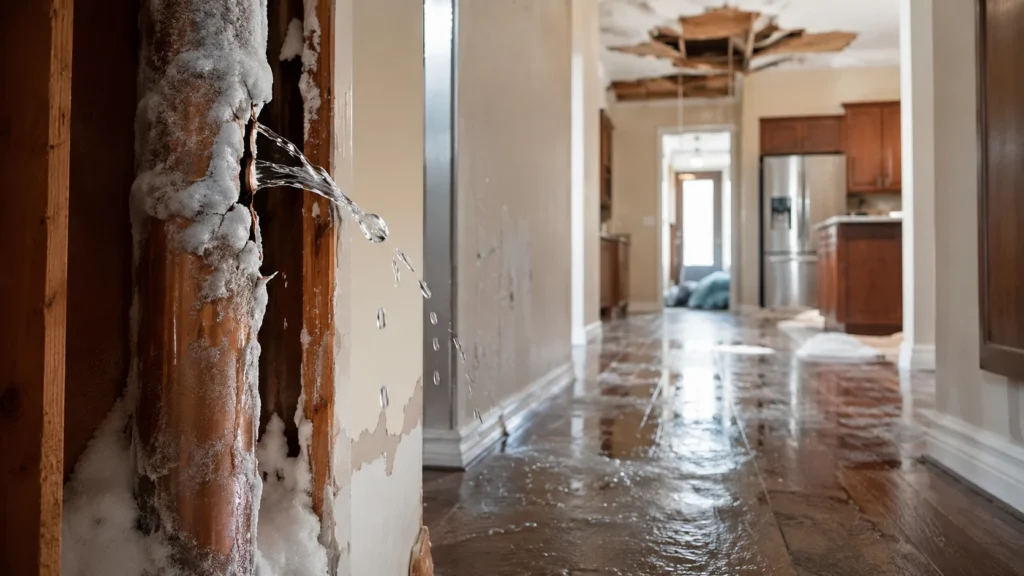
Frozen Pipe Claims Robinson, TX can become stressful fast because pipe freeze damage rarely stays in one small spot. A burst pipe can release gallons of water into walls, ceilings, flooring, cabinets, insulation, and personal belongings before anyone realizes what happened. One frozen line can turn a quiet winter morning into a full property damage claim. Even in Texas, freezing temperatures can cause serious plumbing trouble. Homes are often built for heat, humidity, storms, and hail, yet sudden cold snaps can expose weak spots in pipes, attic insulation, crawl spaces, outdoor hose bibs, and wall cavities. When water freezes inside a pipe, pressure builds. Then the pipe cracks, splits, or bursts.
The difficult part is not always the plumbing repair itself. Often, the bigger issue is everything the water touches afterward. Drywall swells. Floors buckle. Paint bubbles. Cabinets absorb moisture. Electrical areas may need review. Meanwhile, the insurance company may want proof that the damage was sudden, accidental, and properly handled. That is why homeowners searching for Frozen Pipe Claims Robinson, TX should treat the claim carefully from the start. The process can feel similar to other property damage disputes, and some homeowners who ask “Will Insurance Pay Hail Damage on a Metal” quickly learn the same lesson applies here: coverage depends on policy language, documentation, cause of loss, and how completely the damage is presented.
Why Frozen Pipes Become a Serious Insurance Issue
A frozen pipe is not just a plumbing problem. It is a pressure problem, a water damage problem, and sometimes a coverage problem. When water freezes, it expands. Since plumbing lines are enclosed systems, that expansion can create enough pressure to rupture the pipe or separate a fitting. Once the pipe opens, water travels wherever gravity, building materials, and hidden gaps allow it to go. It may run down inside a wall. It may pool beneath flooring. It may soak insulation before any stain appears on the ceiling. It may also move into rooms that look untouched at first glance.
This is why frozen pipe damage can be misleading. A homeowner may see one wet spot and assume the damage is minor. However, moisture readings may later show that water spread behind baseboards, under cabinets, or through the subfloor. The claim then becomes larger, more technical, and easier for an insurer to underestimate. Insurance companies often look closely at frozen pipe claims because they want to know whether the loss was sudden and accidental or whether it could have been prevented. They may ask whether heat was maintained, whether the home was occupied, whether the water was shut off quickly, and whether reasonable steps were taken after the damage was discovered. That does not mean every claim is a fight. Still, it does mean that frozen pipe claims need strong documentation. Photos matter. Plumber reports matter. Mitigation records matter. So does a clear timeline of what happened and when.
Common Types of Damage Caused by Frozen Pipes
Frozen pipe damage can affect almost every part of a home. Sometimes the damage is obvious. Other times, the worst damage is hidden behind surfaces that still look normal. The most common visible damage includes stained ceilings, wet drywall, bubbling paint, warped flooring, swollen baseboards, soaked carpet, and damaged cabinets. However, the less visible issues can be just as important. Wet insulation, trapped moisture, damaged subflooring, and hidden mold risk can all increase the repair scope.
Here is a simple breakdown of what homeowners may see after a pipe burst:
| Area Affected | Common Damage | Why It Matters |
| Ceilings | Stains, sagging drywall, collapsed sections | Water may have soaked insulation above |
| Walls | Bubbling paint, soft drywall, wet trim | Moisture can hide inside cavities |
| Flooring | Buckling, swelling, separation, staining | Subfloor damage may require removal |
| Cabinets | Swollen panels, delamination, odor | Cabinets often absorb water quickly |
| Electrical areas | Wet outlets, fixtures, wiring paths | Safety inspection may be needed |
| Insulation | Saturation, compression, odor | Wet insulation loses performance |
| Personal property | Furniture, rugs, electronics, clothing | Contents may need separate documentation |
Ceiling and wall damage usually appear first because water follows framing paths. A burst pipe in an attic can soak insulation before dripping through drywall. A pipe in a wall can release water behind paint and texture until the surface finally starts to bubble or soften. Flooring damage can be even more expensive. Hardwood may cup or crown. Laminate may separate at the seams. Carpet padding can stay wet even after the top layer feels dry. Tile may look fine, yet the underlayment below may hold moisture. Therefore, surface appearance alone should not decide the claim value.
Cabinets are another common dispute. Many cabinets are made from wood products that swell when wet. Once cabinet boxes absorb water, they may not return to their original shape. Doors may not align. Toe kicks may separate. Odors may linger. Insurers sometimes pay to “dry” cabinets that actually need replacement. Frozen weather is part of a larger cold-region concept known as the cryosphere, which refers to parts of Earth where water exists in solid form, including ice, snow, and frozen ground. For homeowners, the science becomes practical when freezing temperatures enter a plumbing system and turn ordinary water into destructive pressure.
Does Homeowners Insurance Cover Frozen Pipe Claims?
Many homeowners policies may cover sudden and accidental water damage caused by a burst pipe. That is the good news. The harder part is proving the cause, documenting the full repair scope, and responding if the insurer raises exclusions or limitations. Frozen Pipe Claims Robinson, TX often involve two separate but connected parts: the plumbing break and the resulting water damage. Some policies may limit or exclude the cost to repair the actual pipe while still covering the damage caused by water escaping from the pipe. Other policies may include tear-out coverage, which can help pay to access the damaged pipe and restore the opened area afterward.
Coverage may depend on several questions:
- Was the home occupied or vacant?
- Was heat maintained?
- Were reasonable steps taken to prevent freezing?
- Was the loss reported promptly?
- Was mitigation started quickly?
- Did the damage happen suddenly?
- Was any part of the damage long-term, repeated, or gradual?
- Did mold develop because of delayed action?
- Are there limits for water damage, mold, or plumbing access?
These questions matter because insurance companies may use them to reduce or deny payment. For example, if a home sat vacant during freezing weather with no heat, the insurer may argue that the policyholder failed to protect the property. However, if heat was on, the homeowner acted quickly, and the pipe still burst during extreme cold, the claim may be much stronger. The key is to avoid guessing. Read the policy. Request the claim decision in writing. Keep every report. If the insurer says something is not covered, ask which policy language supports that position.
Why Insurance Companies May Deny or Reduce Frozen Pipe Claims
Insurance companies do not always deny frozen pipe claims outright. Sometimes they pay part of the loss but leave out major repair items. That can be just as frustrating. A reduced estimate may include drywall patching but ignore insulation. It may include carpet cleaning but not pad replacement. It may allow a small flooring repair even when the replacement material cannot be matched. It may pay for one cabinet box while ignoring the fact that the entire run is continuous.
Common reasons for frozen pipe claim disputes include:
- The insurer says heat was not maintained.
- The insurer says the home was vacant.
- The insurer claims the leak was long-term.
- The insurer argues mitigation was delayed.
- The insurer excludes mold or secondary damage.
- The estimate misses hidden moisture.
- The repair scope ignores matching.
- The payment does not include proper demolition.
- The adjuster overlooks additional living expenses.
- The claim file lacks enough documentation.
This is where homeowners can lose money without realizing it. A claim settlement may look large at first, especially if the damage happened suddenly. Yet when contractors begin pricing the work, the payment may not cover the actual repairs. That gap matters. A homeowner should not assume the first insurance estimate is complete. It is an estimate, not a final truth. Therefore, review it line by line against contractor bids, moisture reports, photos, and actual site conditions.
What to Do Immediately After Discovering a Frozen Pipe Burst
A burst pipe demands fast action. The first goal is safety. The second goal is stopping more water. The third goal is documenting the damage before cleanup changes the scene. Start by shutting off the main water supply if it is safe to do so. If water is near electrical outlets, fixtures, or appliances, avoid stepping into wet areas until power concerns are addressed. Safety comes first. Always. Next, take photos and videos. Capture wide shots of each affected room, then close-ups of damaged materials. Record water actively dripping, soaked flooring, swollen trim, damaged contents, wet ceilings, and the pipe location if visible. Do this before major cleanup whenever possible.
Then call a licensed plumber. The plumber should identify the damaged line, repair the pipe, and provide a written report describing the cause. That report can become important claim evidence. After that, begin water mitigation. A professional mitigation company can extract water, remove unsalvageable materials, set drying equipment, and record moisture readings. These readings can help prove that damage extended beyond what the eye could see.
Here is a practical first-day checklist:
| Step | Action | Why It Helps |
| Stop the water | Shut off the main supply | Prevents additional damage |
| Stay safe | Avoid electrical hazards | Reduces injury risk |
| Document everything | Photos and videos before cleanup | Preserves evidence |
| Call a plumber | Confirm source and cause | Supports the claim |
| Start mitigation | Extract water and dry materials | Limits secondary damage |
| Save records | Keep receipts, reports, invoices | Proves costs |
| Notify insurer | Report the claim promptly | Meets policy duties |
| Track timeline | Write down dates and actions | Helps answer claim questions |
Do not throw away damaged materials too quickly. Sometimes insurers want to inspect flooring, cabinets, pipe sections, wet insulation, or personal property. If materials must be removed for safety or drying, photograph them first and ask the mitigation company to document the removal.
How to Document Frozen Pipe Damage for an Insurance Claim
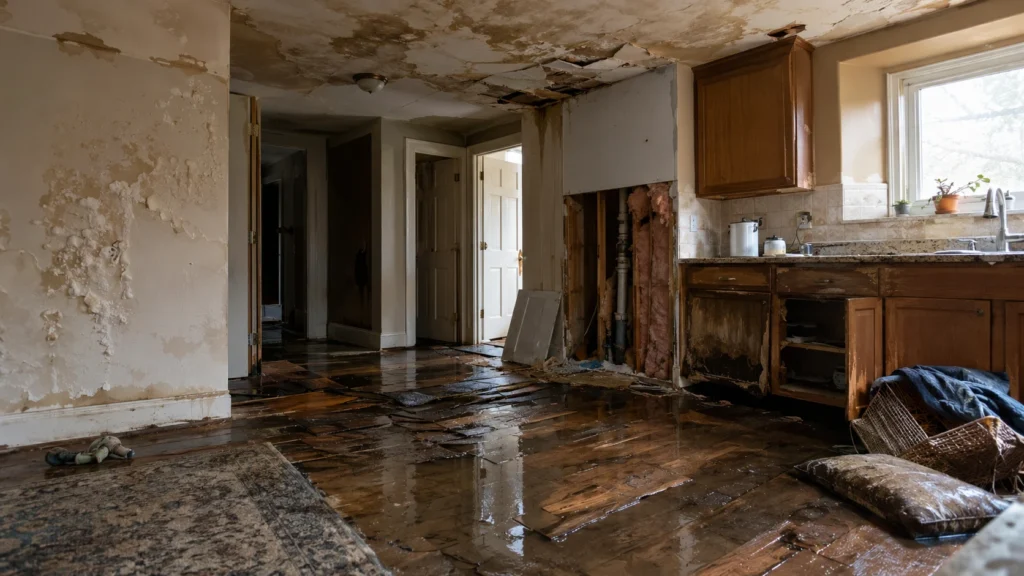
Documentation is the backbone of a strong claim. Without it, the claim becomes a debate. With it, the facts become harder to ignore. For Frozen Pipe Claims Robinson, TX, homeowners should build a simple claim folder. It can be digital, physical, or both. The goal is to keep every piece of evidence in one place so nothing gets lost during the claim process.
Include these items:
- Photos of the pipe break or suspected source
- Videos showing water movement or affected rooms
- Plumber invoices and cause-of-loss notes
- Mitigation reports and moisture maps
- Drying logs
- Contractor repair estimates
- Receipts for emergency repairs
- Hotel and meal receipts if the home is unlivable
- Photos of damaged contents
- Copies of emails and letters from the insurer
- Notes from phone calls, including dates and names
- A written timeline of the freeze, discovery, response, and repairs
The timeline is especially useful. Write down when temperatures dropped, when the damage was discovered, when water was shut off, when the plumber arrived, when mitigation began, and when the insurance company inspected. This does not need to be fancy. Clear and accurate is enough.
Also, take more photos than you think you need. Photograph every affected room from multiple angles. Include doorways and transitions between rooms. If water traveled from one room into another, show that path. If flooring continues through several connected areas, document the full run. For personal property, list damaged items with approximate age, original cost if known, and replacement cost when possible. Take photos before disposal. If electronics, rugs, furniture, or clothing were affected, separate those items from the building damage documentation.
The Role of Plumbers, Mitigation Companies, and Contractors
A frozen pipe claim usually involves several professionals. Each one has a different job. When their reports line up, the claim becomes much easier to understand. The plumber identifies and repairs the pipe. The plumber may explain whether the pipe burst from freezing, failed at a fitting, split at a line, or leaked from another cause. That explanation matters because insurance coverage often turns on cause of loss.
The mitigation company handles the water. Their job is to prevent additional damage by extracting water, removing wet materials, setting equipment, and monitoring drying progress. Their moisture readings can help prove that water traveled into areas not obvious during the first inspection. The restoration contractor estimates the rebuild. This may include drywall, texture, paint, flooring, trim, cabinets, insulation, and other repairs. A good estimate should reflect the actual repair method, not just a small visible patch.
A public adjuster may help organize the claim from the policyholder’s side. Unlike the insurance company’s adjuster, a public adjuster works for the property owner. The role can include reviewing the policy, inspecting the damage, preparing an estimate, gathering documentation, and negotiating with the insurer. These roles should not blur. A plumber is not always qualified to estimate full reconstruction. A mitigation company may not price final repairs. An insurance adjuster may not find every hidden moisture issue. Therefore, the strongest claim usually combines evidence from the right sources.
Why the Insurance Estimate May Be Too Low
Initial insurance estimates are often incomplete because frozen pipe damage is not always visible during a quick inspection. The adjuster may see wet drywall and stained flooring but miss wet insulation, cabinet damage, subfloor issues, or matching problems.
Sometimes the estimate is low because the inspection happened too early. Water may still be moving through materials. Damage may not fully reveal itself for days. Wood can swell later. Odors can develop. Flooring can separate after drying begins. Other times, the estimate is low because the scope is too narrow. The insurer may price a patch when the proper repair requires more extensive removal and replacement. For example, replacing one small section of continuous flooring may not restore the room if the same product is unavailable.
Common missed items include:
- Drywall removal beyond the visible stain
- Wet insulation inside wall or ceiling cavities
- Texture blending
- Paint matching across connected surfaces
- Baseboards and trim
- Flooring under cabinets or appliances
- Subfloor drying or replacement
- Cabinet box replacement
- Countertop removal and reset
- Plumbing access repairs
- Debris removal
- Final cleaning
- Permit or code-related work
- Additional living expenses
This is why homeowners should compare the insurance estimate with contractor estimates. If the contractor says the work cannot be completed for the insurance amount, ask for a written explanation. Then submit that explanation with supporting photos and reports. A low estimate is not always bad faith. Sometimes it is simply incomplete. However, an incomplete estimate still needs to be corrected.
Matching Problems in Frozen Pipe Claims
Matching is one of the most frustrating parts of water damage claims. It sounds simple until you face it in real life.
Suppose water damages a portion of laminate flooring in the kitchen. The insurer pays to replace only the wet section. But the floor continues into the dining area and hallway, and the original product is discontinued. Now what? Or suppose a bathroom vanity is damaged. The insurer pays for one cabinet box, but the finish no longer matches the rest of the built-in cabinetry. The repair may technically replace the wet part, yet the final result looks patched and uneven.
Matching disputes can involve:
- Flooring
- Cabinets
- Countertops
- Tile
- Paint
- Wall texture
- Trim
- Built-ins
- Stain finishes
- Continuous materials across open rooms
The issue is whether the repair returns the home to a reasonably consistent condition under the policy. This can depend on policy wording, state rules, adjuster interpretation, and the specific materials involved. Homeowners should document matching problems with photos, product information, contractor notes, and supplier statements. If a material is discontinued, ask the supplier to put that in writing. If a repair will create an obvious mismatch, ask the contractor to explain why.
Additional Living Expenses After Frozen Pipe Damage
A burst pipe can make a home difficult or unsafe to live in. Drying equipment is loud. Walls may be opened. Flooring may be removed. Bathrooms or kitchens may be unusable. Electrical hazards may exist. In severe cases, the home may need major reconstruction.
If the policy includes Additional Living Expense coverage, often called ALE, it may help cover increased costs when the home is not fit to live in because of covered damage. This can include hotel stays, temporary rentals, extra meal costs, laundry, storage, pet boarding, and additional transportation expenses. However, ALE is not a blank check. Homeowners should keep receipts, track dates, and confirm what the insurer will consider reasonable. It also helps to document why the home could not be occupied, such as lack of plumbing, open walls, contaminated materials, drying equipment, or unsafe conditions.
A simple ALE log can include:
| Date | Expense | Amount | Reason |
| Jan. 15 | Hotel | $180 | Home drying equipment and no usable bedroom |
| Jan. 16 | Meals | $65 | Kitchen inaccessible |
| Jan. 17 | Laundry | $22 | Washer area affected |
| Jan. 18 | Storage | $95 | Furniture removed for repairs |
Keep the log simple. Just be consistent. How a Public Adjuster Can Help With Frozen Pipe Claims Frozen Pipe Claims Robinson, TX can involve more than a broken pipe and a few wet towels. A public adjuster can help when the damage is extensive, the estimate seems low, the insurer is asking difficult questions, or the claim has already been denied.
A public adjuster reviews the property damage from the homeowner’s side. That matters because the insurance company’s adjuster represents the insurer. The public adjuster’s job is to help present the policyholder’s claim clearly and completely.
A public adjuster may assist with:
- Inspecting affected rooms
- Reviewing policy coverage
- Identifying missing damage
- Preparing a detailed repair estimate
- Gathering plumber and mitigation reports
- Documenting damaged contents
- Addressing matching issues
- Communicating with the insurance company
- Supporting a supplement request
- Helping respond to denial or underpayment
This can be especially useful when the damage spreads across several rooms. A pipe burst upstairs may damage ceilings below, flooring in multiple rooms, insulation, trim, cabinets, and personal property. Without a complete scope, the settlement may fall short. That said, homeowners should choose help carefully. Ask about licensing, experience with water damage claims, communication process, fees, and claim strategy. A good public adjuster should be able to explain the process clearly without making unrealistic promises.
Mistakes to Avoid During a Frozen Pipe Insurance Claim
The claim process can move quickly at first, especially when water is actively damaging the home. Still, a few early mistakes can create problems later. One major mistake is cleaning up everything before taking photos. Of course, emergency action is important. Water should be stopped. Safety hazards should be addressed. But whenever possible, document the damage before materials are removed.
Another mistake is relying only on the insurance company’s estimate. The insurer’s estimate may be useful, but it should be compared against real contractor pricing and the actual repair scope. If the home needs more work than the estimate includes, the homeowner should not ignore that gap. Homeowners should also avoid giving uncertain answers as facts. If the insurer asks when the pipe burst and the homeowner does not know, it is better to say so. Guessing can create timeline problems later.
Avoid these common errors:
- Waiting too long to report the claim
- Failing to stop the water quickly
- Not taking photos or videos
- Throwing away damaged materials too soon
- Making permanent repairs before inspection
- Ignoring hidden moisture
- Accepting the first payment as final without review
- Forgetting to track temporary living expenses
- Not reading the policy
- Failing to request explanations in writing
A careful claim is not about being difficult. It is about being accurate.
What If the Frozen Pipe Claim Is Denied?
A denial is frustrating, but it does not always end the matter. The first step is to request the denial in writing. The letter should explain the reason for the decision and cite the policy language the insurer relied on. Read the denial closely. Is the insurer saying the home was vacant? That heat was not maintained? That the leak was long-term? That an exclusion applies? That documentation is insufficient? Each reason requires a different response. Then gather evidence. A plumber’s report may support the cause of loss. Utility records may help show heat was maintained. Photos may prove the damage was sudden. Mitigation logs may show fast response. Contractor estimates may prove the repair scope.
Possible next steps include:
- Requesting a written explanation
- Reviewing the policy
- Getting an independent estimate
- Submitting additional documentation
- Asking the insurer to reconsider
- Hiring a public adjuster
- Consulting a qualified attorney if needed
Do not respond emotionally. Respond with facts. A calm, organized package of evidence is more powerful than a heated phone call.
What If the Frozen Pipe Claim Is Underpaid?
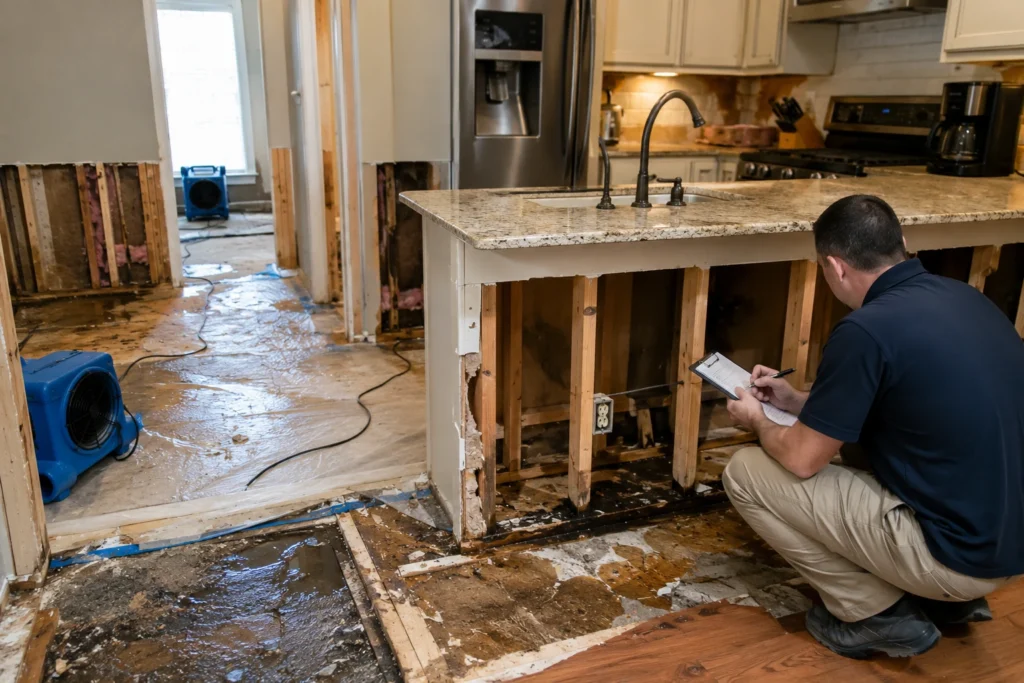
Underpayment can happen when the insurer accepts coverage but does not pay enough to complete the repairs. This is common in water damage claims because repair scopes can change after demolition begins. For example, a wall may be opened and wet insulation discovered. Flooring may be removed and subfloor damage found. Cabinets may appear dry outside but show swelling at the base. These discoveries may require a supplement. A supplement is a request for additional payment based on additional documented damage or repair costs. It should include clear evidence, not just a demand for more money.
Useful supplement materials include:
- Updated contractor estimate
- Photos of newly discovered damage
- Moisture readings
- Plumber report
- Mitigation invoice
- Material availability notes
- Supplier statements
- Code requirement documentation
- Receipts for completed emergency work
- Contents inventory updates
Frozen Pipe Claims Robinson, TX should be reviewed carefully before the homeowner assumes the payment is final. Many policies allow supplemental review when additional covered damage is discovered, but deadlines and policy duties still matter.
Preventing Future Frozen Pipe Damage
Prevention will not fix a current claim, but it can reduce the chance of another one. Texas homes can be vulnerable during hard freezes because some plumbing may be located in attics, garages, exterior walls, or other cold areas.
Before freezing weather arrives, homeowners can take practical steps:
- Insulate exposed pipes.
- Disconnect garden hoses.
- Cover outdoor faucets.
- Open cabinet doors under sinks during extreme cold.
- Let faucets drip when appropriate.
- Keep heat running.
- Seal gaps where cold air reaches pipes.
- Know where the main water shutoff is located.
- Check vacant or rarely used areas.
- Have someone monitor the home if away.
These steps may also help if a future claim happens because they show reasonable care. Insurance companies often ask what the homeowner did to protect the property. Being able to answer with specifics can help. Still, prevention is not perfection. Pipes can burst even when homeowners act responsibly. That is why documentation remains important after any loss.
Final Thoughts
Frozen pipe damage can feel sudden, messy, and overwhelming. One minute the home is quiet. The next, water is running through materials that were never meant to get wet. It is a lot to handle. The most important thing is to act quickly without losing control of the documentation. Stop the water. Stay safe. Take photos. Call the right professionals. Save reports. Track expenses. Review the insurance estimate carefully.
Frozen Pipe Claims Robinson, TX are not always simple because the visible damage may only be part of the loss. The full repair scope may involve plumbing access, drying, demolition, reconstruction, matching, contents, and temporary living costs. Each piece should be documented and reviewed. If the claim is delayed, denied, or underpaid, homeowners still have options. Ask for written explanations. Compare estimates. Gather stronger evidence. Consider professional help when the damage is significant or the claim becomes difficult. A frozen pipe may start with ice, but the claim should be handled with clarity. That is how homeowners protect the property, the repair budget, and the final outcome.
FAQs
Many homeowners policies may cover sudden and accidental water damage from a burst frozen pipe, but coverage depends on the policy terms and the facts of the loss.
Shut off the main water supply if it is safe, document the damage with photos and videos, then call a plumber and water mitigation company.
Yes, an insurer may deny a claim if it believes heat was not maintained, the home was vacant, maintenance was neglected, or the damage happened over time.
The estimate may miss hidden moisture, wet insulation, subfloor damage, cabinet damage, matching issues, or full restoration costs.
A plumber’s report is helpful because it can identify the damaged pipe, explain the cause, and support your insurance claim.
You should prevent further damage immediately, but take photos and videos before removing materials whenever possible.
Yes, mold can develop if water remains trapped in walls, flooring, cabinets, or insulation without proper drying.
You may be able to submit a supplement with contractor estimates, moisture readings, photos, reports, and repair documentation.
Yes, a public adjuster can review the damage, document the claim, estimate repairs, and negotiate with the insurance company.
The timeline depends on the damage severity, inspections, mitigation, documentation, and whether the claim is disputed or underpaid.