
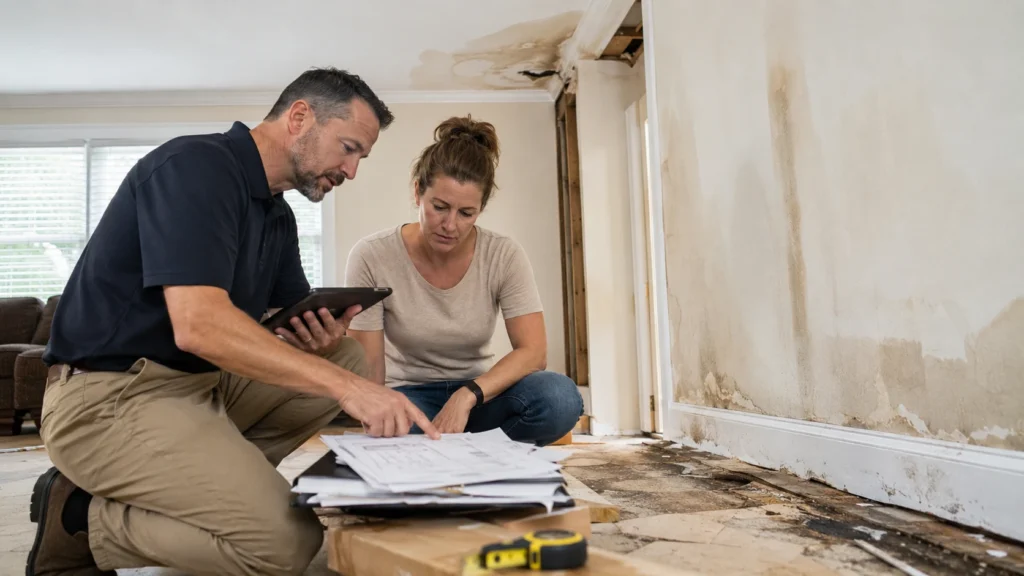
When an insurance company says no, it can feel final. But it is not always final. If you are trying to understand How to Appeal an Insurance Claim Denial, start here: a denial is a decision, not the end of the road. Homeowners in Robinson may still have options, especially when the denial is based on missing documents, disputed damage, incomplete inspections, or policy language that deserves a closer look. A claim denial can hit hard. You reported the loss. You waited for the inspection. You answered questions. Then the letter arrives, and suddenly the insurance company says the damage is not covered, not proven, excluded, late, old, or below the deductible.
That is frustrating. However, it is also where many homeowners give up too soon. Do not rush into that. A denied property insurance claim should be reviewed carefully. Sometimes the insurer is correct. Sometimes the denial is based on a narrow reading of the policy. Sometimes the adjuster missed damage. Sometimes the claim file simply does not tell the full story yet. An appeal gives you a chance to correct that. This guide explains How to Appeal an Insurance Claim Denial step by step, with practical actions you can take before accepting the insurance company’s decision.
Start With the Denial Letter
The denial letter is not just bad news. It is your roadmap. Read it slowly. Then read it again. The insurance company should explain why the claim was denied. That explanation matters because your appeal must respond to the actual reason given. A general complaint will not do much. A focused appeal can.
Look for these details:
| What to Review | Why It Matters |
| Claim number | Keeps communication tied to the right file |
| Date of loss | Confirms the event being reviewed |
| Date of denial | May affect appeal deadlines |
| Reason for denial | Shows what you must challenge |
| Policy language cited | Helps you compare the denial to the policy |
| Requested documents | Shows what may be missing |
| Appeal instructions | Tells you where and how to respond |
Do not rely only on the summary paragraph. Insurance denial letters often quote or reference specific policy sections. Pull out the policy and compare the cited language with the facts of your loss. This is where the appeal begins.
Understand Why Insurance Claims Get Denied
Before you write anything, figure out what kind of denial you are dealing with. Not all denials are the same. Some claims are denied because the insurer says the damage is excluded. Others are denied because the company believes the damage happened before the policy period. Some are denied because there is not enough evidence. Others are denied because the insurer believes the loss was caused by wear and tear, poor maintenance, seepage, rot, deterioration, or another non-covered cause.
Common denial reasons include:
- The damage is excluded under the policy
- The loss was reported too late
- The cause of damage is disputed
- The insurer says the damage is old
- The claim file lacks enough proof
- The damage is below the deductible
- The policyholder missed a required deadline
- The estimate does not support the claimed amount
Each reason requires a different response. If the insurer denied the claim because of “wear and tear,” your appeal should focus on proving a sudden and accidental event. If the denial says there is not enough documentation, your appeal should include stronger photos, reports, estimates, and supporting records. If the insurer says the damage is excluded, you need to review whether the exclusion actually applies. That sounds simple. It is not always easy. Insurance policies can be dense. Small phrases can change the result. That is why the appeal should be built with care, not emotion.
Review the Policy Before You Appeal
The policy controls the claim. Not the first adjuster’s opinion. Not the contractor’s opinion. Not your memory of what your agent said. The policy is the contract.
Before filing an appeal, review these sections:
- Declarations page
- Covered perils
- Exclusions
- Conditions
- Duties after loss
- Loss settlement terms
- Deductibles
- Endorsements
- Additional coverages
- Deadlines and limitation periods
The declarations page shows what type of coverage you have and what limits may apply. The coverage section explains what the policy may pay for. The exclusions explain what the policy may not cover. The duties after loss section explains what you must do after damage occurs. Pay close attention to endorsements. These are changes to the standard policy. They can add coverage, remove coverage, limit coverage, or change how certain losses are handled.
For example, a homeowner may think water damage is covered because the policy includes water damage language. However, the policy may treat sudden pipe bursts differently from long-term seepage. That difference can decide the claim. When people ask How to Appeal an Insurance Claim Denial, this is one of the most important answers: do not argue in general terms. Argue from the policy and the facts.
Identify the Real Dispute
A strong appeal is specific.
It does not simply say, “I disagree.” It says why.
Ask yourself: what exactly is the disagreement?
| Type of Dispute | Example |
| Coverage dispute | The insurer says the damage is excluded |
| Cause-of-loss dispute | The insurer says the damage came from wear and tear |
| Scope or amount dispute | The insurer undervalues the repair |
Sometimes the dispute includes all three. For example, a Robinson homeowner may file a storm damage claim after strong winds damage roof shingles and water enters the attic. The insurer may deny part of the claim by saying the roof was old, the interior damage was minor, and some repairs are below the deductible. That is not one issue. That is several issues.
The appeal should separate them. You may need to prove the storm caused the roof damage. You may need to document the interior water path. You may need to show that the repair estimate is higher than the insurer’s calculation. You may also need to explain why the damage was not ordinary wear and tear. The clearer the dispute, the stronger the appeal.
Gather Evidence That Responds to the Denial
Evidence wins appeals. Not anger. Not pressure. Not long emotional letters. Evidence. The insurance company has already made a decision based on the claim file. Your job is to improve that file. Add what was missing. Correct what was wrong. Clarify what was misunderstood.
Useful evidence may include:
- Photos and videos
- Contractor estimates
- Public adjuster estimates
- Plumber or roofer reports
- Engineering reports
- Moisture readings
- Weather data
- Maintenance records
- Receipts for past repairs
- Before-and-after photos
- Emergency mitigation documents
- Emails and claim communication
Do not send random documents just to make the file bigger. Bigger is not always better. Better is better. Each document should support a point. If the insurer denied the claim because it says the roof damage is old, send evidence that helps prove recent storm damage. If the insurer denied water damage because it says the leak was long-term, send a plumbing report explaining the sudden failure. If the insurer says the damage is below the deductible, send a detailed estimate that shows the full repair scope. A claim appeal should be organized like a case file. Because that is what it is.
Take Better Photos Before Repairs Move Too Far
Photos matter more than many homeowners realize. A blurry close-up of a stain does not tell the full story. A strong photo set should show the damage from multiple angles and distances.
Use this approach:
- Take wide photos of the room or exterior area
- Take medium-range photos showing where the damage is located
- Take close-up photos showing cracks, stains, breaks, or impact marks
- Photograph the source of damage when possible
- Photograph related areas, such as attics, ceilings, walls, flooring, cabinets, and baseboards
- Keep damaged materials until they are documented
- Label photos by room, date, and location
If water damage is involved, photograph the path of water. Where did it start? Where did it travel? What materials did it affect? If roof damage is involved, photograph slopes, shingles, flashing, vents, gutters, and interior leaks. Do this before repairs erase the evidence. Emergency repairs are sometimes necessary. Protect the property. Stop further damage. But document first when it is safe to do so.
Get a Detailed Estimate, Not a One-Line Quote
A one-line quote is weak. “Repair water damage: $12,000” does not explain much. A detailed estimate shows what needs to be removed, replaced, cleaned, dried, painted, reset, detached, tested, or rebuilt. It gives the insurance company something specific to review.
A strong estimate may include:
| Estimate Detail | Why It Helps |
| Measurements | Supports quantities |
| Labor line items | Shows work required |
| Material details | Helps compare quality and pricing |
| Room-by-room breakdown | Prevents missed areas |
| Removal and replacement scope | Explains the repair process |
| Code-related items | Shows required upgrades if applicable |
| Paint and texture matching | Helps address visible repair consistency |
| Debris removal | Includes cleanup costs |
The issue is not just the total price. The issue is the scope. Was all the damage included? Were the correct materials used? Were the right quantities entered? Were required steps missing? When learning How to Appeal an Insurance Claim Denial, remember this: a denial can sometimes be challenged by showing that the original inspection missed the real scope of damage.
Use Expert Reports When the Cause Is Disputed
Cause matters.
Insurance companies often deny claims because they believe the cause of damage is not covered. This is common in roof claims, plumbing claims, fire claims, appliance leak claims, and long-term moisture claims.
If the cause is disputed, expert support may help.
That could include:
- A plumber explaining a sudden pipe failure
- A roofer identifying storm-created damage
- An engineer evaluating structural concerns
- A mitigation company documenting moisture levels
- A contractor explaining why materials cannot be repaired in patches
- A fire restoration specialist explaining smoke contamination
The expert report should be clear. It should explain what was inspected, what was found, and how the expert reached the conclusion. Avoid vague statements. For example, “This damage is covered” is not as useful as: “The observed staining pattern, moisture readings, and failed supply line indicate a sudden water release from the second-floor bathroom on or about the reported date of loss.”
That is stronger. It connects the facts to the cause. A claim denial often turns on the quality of explanation. In a way, the appeal has its own epistemology: it is about how knowledge is supported, tested, and justified through evidence.
Write a Clear Appeal Letter

Now you are ready to write. The appeal letter should be professional, organized, and direct. Do not write a ten-page rant. Do not accuse everyone of bad faith unless there is a very specific reason and proof. The goal is to reopen the conversation and force a careful review of the facts.
Your appeal letter should include:
- Your name
- Property address
- Policy number
- Claim number
- Date of loss
- Date of denial
- A short statement that you are appealing the denial
- A summary of why you disagree
- A list of attached evidence
- A request for reconsideration
- A request for reinspection if needed
- A deadline or request for timely response
Use plain language. Here is a simple structure:
Opening: State that you are appealing the denial of your claim.
Claim background: Briefly explain the date of loss, type of damage, and what was reported.
Reason for disagreement: Address the exact denial reason.
Evidence summary: List the documents that support your appeal.
Requested action: Ask the insurer to reconsider the denial, reopen the claim, schedule a reinspection, and issue payment for covered damages.
Closing: Ask for written confirmation and a response within a reasonable timeframe.
Short is fine if it is complete.
Address the Denial Reason Directly
This is where many appeals fail. Homeowners send more photos, more estimates, more explanations, and more frustration. But they do not answer the actual denial reason. If the denial says the loss was reported late, explain when you discovered the damage, when you reported it, and why the timing still complies with the policy. If the denial says the damage is excluded, explain why the exclusion does not apply or why an exception to the exclusion may restore coverage. If the denial says the damage is old, provide evidence connecting the damage to a recent covered event.
If the denial says there is not enough proof, provide the missing proof. If the denial says the repairs are below the deductible, provide a detailed estimate showing the full covered repair cost. Your appeal should feel like a direct answer to the denial letter. Not a separate complaint. Not a new claim. A direct challenge.
Submit the Appeal Properly
How you submit the appeal matters. Follow the instructions in the denial letter and policy. If the insurer gives a specific email address, portal, mailing address, or claim contact, use it. If you send documents by email, request confirmation. If you upload documents through a portal, save screenshots or confirmation receipts.
Your appeal packet may include:
- Appeal letter
- Copy of the denial letter
- Relevant policy pages
- Photos and videos
- Contractor estimate
- Expert reports
- Invoices
- Mitigation records
- Weather documentation
- Timeline of events
- Communication log
Name files clearly. Make it easy for the reviewer to understand your file. Insurance companies handle many claims. A clean, organized appeal is easier to review and harder to dismiss.
Request a Reinspection When Damage Was Missed
Sometimes the first inspection is not enough. Maybe the adjuster came too early. Maybe water had not fully appeared yet. Maybe roof damage was not closely inspected. Maybe the adjuster did not enter the attic. Maybe cabinets, insulation, subflooring, or wall cavities were not checked. A reinspection can help when there is new evidence.
Ask for a reinspection if:
- Hidden damage has been found
- Additional rooms are affected
- Moisture readings show trapped water
- A contractor found damage the adjuster missed
- The original inspection was rushed
- The damage has worsened
- Expert findings conflict with the denial
If you request a reinspection, be prepared. Have your contractor or public adjuster present if possible. Bring the denial letter. Bring photos. Bring the estimate. Show the inspector exactly what was missed and why it matters. A Robinson property claim can involve roof damage, plumbing leaks, fire damage, or storm-related losses that are not fully visible during a quick visit. That is why documentation and reinspection can be important.
Create a Timeline of the Claim
A timeline helps everyone understand what happened. It also prevents confusion. Create a simple document with dates and short notes.
| Date | Event |
| Date of loss | What happened |
| Date discovered | When you noticed the damage |
| Date reported | When you filed the claim |
| Inspection date | Who inspected and what they reviewed |
| Denial date | When the insurer denied the claim |
| Contractor inspection date | What was found |
| Appeal submission date | What documents were sent |
Do not exaggerate. Do not guess. If you are unsure about a date, say so. A timeline can be especially helpful when the insurer argues late reporting, pre-existing damage, or long-term deterioration. It shows the sequence of events in a clean format. That matters.
Keep Communication in Writing
Phone calls are useful. Written records are better. After every important phone call, send a short follow-up email. Confirm what was discussed, who you spoke with, and what happens next.
For example:
“Thank you for speaking with me today regarding claim number 12345. As discussed, I am submitting additional photos, a contractor estimate, and a plumbing report for review. Please confirm receipt and advise whether a reinspection will be scheduled.”
That is simple. It also creates a record. Keep a claim folder with emails, letters, photos, estimates, reports, receipts, phone notes, adjuster names, submission dates, and confirmation numbers. If the claim escalates later, this organization can save time. It can also prevent the insurance company from saying documents were never sent.
Watch the Deadlines
Deadlines can affect your rights. Some deadlines come from the policy. Others may come from state law. Some apply to proof of loss forms. Some apply to appraisal. Some apply to filing suit. Some apply to supplementing documents.
Do not assume you have unlimited time. Check the policy and denial letter for any deadline language. If the insurer requests documents by a certain date, calendar it. If the policy requires proof of loss within a certain period, do not ignore it. If you are unsure about a legal deadline, speak with a qualified professional. Waiting can hurt your appeal. It may also make evidence harder to preserve. Damaged materials get removed. Memories fade. Contractors move on. Photos get lost. Repairs cover the damage. Act quickly, but not carelessly.
Avoid These Common Appeal Mistakes
Appealing a denial is not just about what you do. It is also about what you avoid.
Common mistakes include:
- Ignoring the denial letter
- Missing appeal or policy deadlines
- Sending emotional accusations instead of evidence
- Failing to review the policy
- Throwing away damaged materials too soon
- Starting major repairs without documentation
- Sending unclear photos
- Submitting vague estimates
- Failing to prove the cause of loss
- Not tracking communication
- Accepting a denial without asking questions
The biggest mistake?
Treating the denial as the end. When people ask How to Appeal an Insurance Claim Denial, the answer often starts with discipline. Slow down. Read. Document. Organize. Respond.
When the Insurer Says the Damage Is Wear and Tear
“Wear and tear” is one of the most common phrases in claim denials. It can also be one of the most disputed. Insurance policies often exclude ordinary deterioration. However, not every damaged item is damaged only because it is old. A roof can be older and still suffer new storm damage. A pipe can show age and still fail suddenly. A property can have prior repairs and still experience a covered loss. Your appeal should focus on cause.
Ask:
- What specific evidence supports wear and tear?
- Did the insurer inspect all affected areas?
- Did the insurer consider the reported date of loss?
- Is there evidence of sudden damage?
- Are there expert findings that disagree?
- Did the insurer separate old conditions from new damage?
You may need photos, expert reports, maintenance records, or weather information. The goal is not to prove the property was perfect. The goal is to prove that covered damage occurred. That distinction matters.
When the Insurer Says There Is Not Enough Evidence
Sometimes the denial is not really about coverage. It is about proof. The insurer may say there is not enough evidence to confirm the cause, amount, or timing of damage. That kind of denial can sometimes be challenged with a better claim file.
Add missing documentation. Get written opinions. Take clearer photos. Provide invoices. Create a timeline. Ask contractors to explain their findings in writing. Submit moisture readings or testing results if relevant. Do not just resubmit the same information and expect a different answer. Improve the evidence. A strong appeal should make it harder for the insurer to repeat the same denial without addressing the new material.
When the Denial Is Based on an Exclusion
Policy exclusions can be complicated. An exclusion removes or limits coverage for certain causes or conditions. However, exclusions are not always the end of the analysis. The wording matters. The facts matter. Exceptions to exclusions may matter. Resulting damage may matter.
For example, a policy may exclude certain types of seepage but still cover sudden discharge from a plumbing system. A policy may exclude wear and tear but still cover damage caused by a sudden storm event. A policy may exclude faulty workmanship but still provide limited coverage for resulting damage, depending on the wording. Do not assume the insurer applied the exclusion correctly.
Compare:
- The exact exclusion language
- The facts of the loss
- The timeline of damage
- Any exceptions to the exclusion
- Any endorsements changing coverage
- Any resulting damage provisions
This is one reason How to Appeal an Insurance Claim Denial requires more than a simple letter. You need to understand what the insurer is relying on and whether the facts actually fit that language.
Consider Whether Appraisal Applies
Some property policies include an appraisal provision. Appraisal is usually used to resolve disputes about the amount of loss, not whether the claim is covered. That means it may help when the insurer agrees there is covered damage but disputes the repair cost. It may not solve a pure coverage denial.
Still, it can be an option in some claim disputes. Read the policy carefully. Appraisal rules vary by policy. Before invoking appraisal, understand what issue you are trying to solve. If the dispute is “how much,” appraisal may be relevant. If the dispute is “covered or not covered,” another path may be needed.
File a Complaint When Appropriate
If the insurer is not responding, ignoring evidence, delaying without explanation, or refusing to explain its decision, a regulatory complaint may be an option. A complaint is not magic. It does not automatically force payment. However, it may require the insurer to respond and explain its position.
Before filing a complaint, organize your file. Include the claim number, policy number, denial letter, timeline, appeal letter, evidence submitted, communication records, and a short explanation of the problem. Be factual. A complaint should explain what happened and what you want reviewed. Avoid broad accusations. Focus on the conduct, the documents, and the unanswered issues.
Know When to Bring in Help
Some claims are simple enough to appeal on your own.
Others are not.
Consider getting help when:
- The denial involves major damage
- The policy language is confusing
- The insurer cites exclusions
- The cause of damage is disputed
- The estimate is far below contractor pricing
- The insurer missed hidden damage
- There are multiple damaged areas
- Deadlines are approaching
A public adjuster can review the claim from the policyholder’s side. That may include inspecting the damage, preparing an estimate, organizing evidence, reviewing the denial, and communicating with the insurance company.
A contractor can help explain repair scope. An engineer or specialist can help with cause questions. An attorney may be needed when legal rights, lawsuits, or complex coverage disputes are involved. Choose the right help for the right problem.
What a Public Adjuster May Do in a Denied Claim

A public adjuster works for the policyholder, not the insurance company. In a denied claim, a public adjuster may help by reviewing the denial letter, comparing it with the policy, inspecting the damage, preparing a detailed estimate, gathering documentation, and presenting the claim in a more complete way.
That can be valuable when the claim file is incomplete. For example, the insurer may have inspected only visible drywall staining, while the actual damage includes wet insulation, damaged baseboards, affected flooring, and moisture behind cabinets. A public adjuster may help identify those missed areas and prepare a more complete repair scope. However, a public adjuster does not rewrite the policy. Coverage still depends on the facts and policy language. A good public adjuster should be realistic about strengths, weaknesses, and next steps.
What Happens After You Submit the Appeal?
After you submit the appeal, several things may happen. The insurer may reopen the claim. It may request more documents. It may schedule a reinspection. It may ask for expert reports. It may issue a partial payment. It may uphold the denial. It may transfer the claim to a supervisor or another adjuster. Stay ready. Track every response. Save every email. Confirm every document submission. If the insurer asks for more information, respond in writing and keep proof.
If the company upholds the denial, ask for a written explanation. The response should address the new evidence you submitted. If it does not, that may tell you the review was incomplete. Appeals can take patience. But patience does not mean silence. Follow up professionally. Ask clear questions. Keep the file moving.
A Practical Appeal Checklist
Use this checklist before submitting your appeal:
- Read the denial letter fully
- Identify the exact reason for denial
- Review the policy language cited
- Check relevant exclusions and endorsements
- Build a timeline of events
- Take clear photos and videos
- Gather contractor or expert reports
- Get a detailed estimate
- Organize documents by category
- Write a focused appeal letter
- Attach supporting evidence
- Request reinspection if needed
- Submit through the proper channel
- Save confirmation of submission
- Track all follow-up communication
This is the working answer to How to Appeal an Insurance Claim Denial. Not panic. Process.
Final Thoughts: A Denial Is Not Always the End
An insurance claim denial can feel like the door just slammed shut. But sometimes that door is still open. You may need better documentation, a clearer estimate, stronger expert support, or a more focused response to the policy language. The key is to move carefully. Read the denial. Review the policy. Identify the dispute. Gather proof. Write a direct appeal. Submit everything properly. Keep records. Watch deadlines. Ask for help when the claim is too complex to handle alone.
That is the real path behind How to Appeal an Insurance Claim Denial. For homeowners in Robinson, the most important step is not accepting a denial before understanding it. Insurance companies can make mistakes. Inspections can miss damage. Policy language can be interpreted too narrowly. Evidence can change the outcome. So take the denial seriously. Then answer it with facts.
FAQs
An insurance claim denial means the insurer has decided not to pay the claim based on its review of the policy, damage, or documentation.
Yes. You can appeal by reviewing the denial letter, gathering stronger evidence, and submitting a clear written response.
Start by reading the denial letter carefully and identifying the exact reason the insurance company gave for denying the claim.
Claims may be denied because of exclusions, late reporting, lack of evidence, disputed damage, wear and tear, or policy interpretation issues.
Helpful evidence includes photos, videos, repair estimates, expert reports, invoices, weather records, and written communication with the insurer.
Yes. A detailed contractor estimate can help show the full repair scope and challenge an incomplete or low insurance review.
Yes. A public adjuster can review the denial, inspect the damage, prepare documentation, and communicate with the insurance company.
The deadline depends on your policy and state rules, so review the denial letter and policy as soon as possible.
You may need expert reports, photos, maintenance records, or weather data to show the damage was caused by a covered event.
The insurer may reopen the claim, request more documents, schedule a reinspection, offer payment, or uphold the denial.